The Evolution of Autonomy: Pentagon’s New Military Doctrine
The United States Department of Defense (DoD) has reportedly updated its classified military directives, signaling a profound shift in how artificial intelligence will be integrated into the heat of battle. This policy shift marks a transition from ‘Human-in-the-loop’ systems, where a person must initiate every action, to ‘Human-on-the-loop’ frameworks, where AI can initiate actions under the supervision of a human operator.
This strategic pivot is designed to address the increasing speed of modern conflict. In environments where milliseconds determine the outcome of an engagement, the DoD argues that autonomous systems can process vast amounts of data far more efficiently than the human brain. The revised guidelines aim to streamline the target selection process, allowing for rapid response times against sophisticated threats.
From Direct Action to Oversight
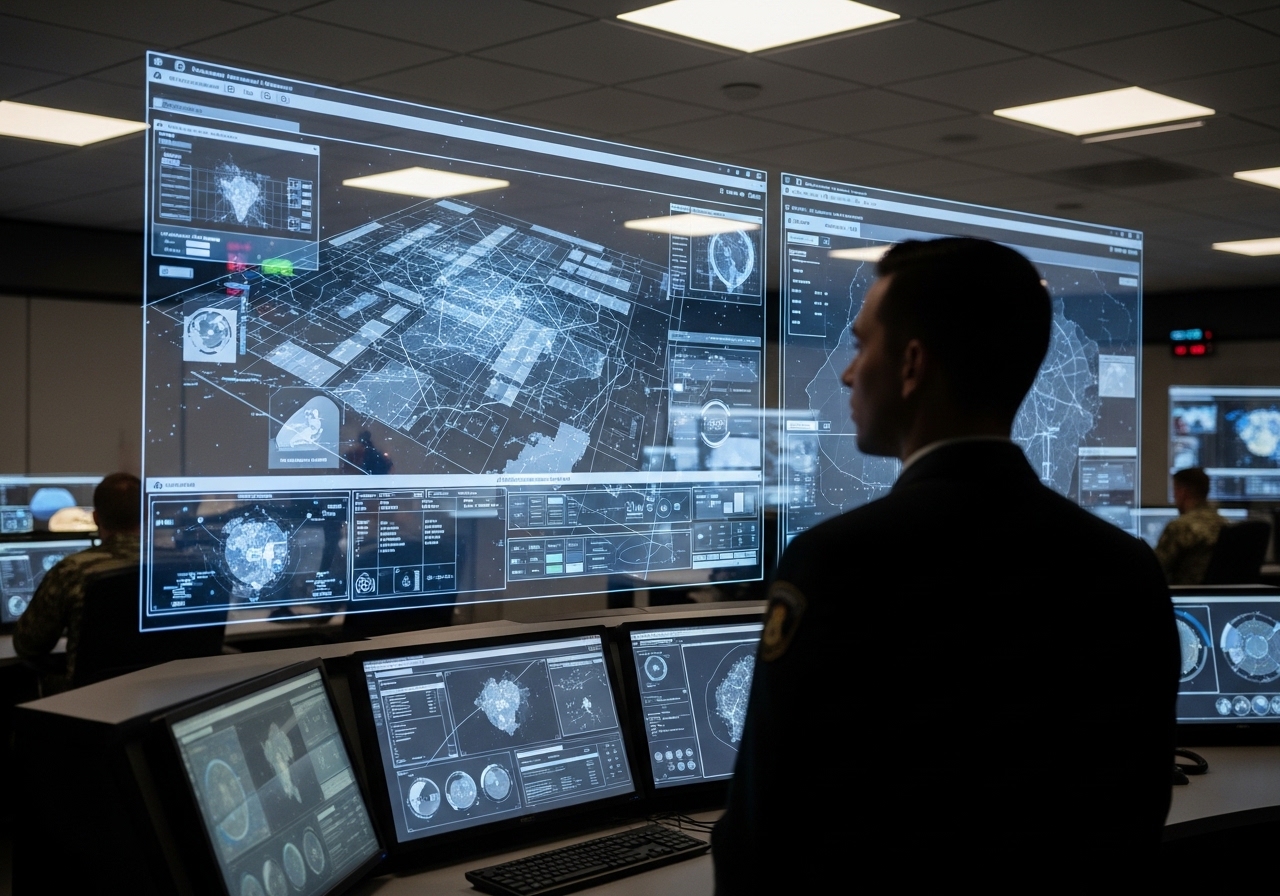
Under the previous framework, human operators were required to be the primary decision-makers for every kinetic action. The new ‘Human-on-the-loop’ model redefines the human role as a monitor. In this capacity, the AI identifies, evaluates, and prepares to engage targets, while the human supervisor retains the authority to intervene or override the system if necessary.
- Enhanced Decision Speed: AI can analyze sensor data across multiple domains simultaneously.
- Reduced Cognitive Load: Operators focus on high-level strategy rather than individual calculations.
- Scalable Defense: Autonomous systems allow for the management of larger fleets of drones and sensors.
Ethical Guardrails and Safety Protocols
Despite the move toward increased autonomy, the Pentagon maintains that these updates include rigorous safety protocols. The directive emphasizes that human accountability remains the cornerstone of military ethics. Experts suggest that while the AI initiates the action, the legal and moral responsibility for the outcome still rests with the commanding officers and operators overseeing the system.
The integration of AI into combat systems is not about removing humans from the battlefield, but about empowering them with the speed and precision required for 21st-century defense.
Critics, however, raise concerns about the potential for unintended escalation and the difficulty of maintaining meaningful human control as algorithms become more complex. The debate continues as to whether a human monitor can truly intervene effectively when an AI system operates at machine speeds.
As the global arms race in AI continues to accelerate, the U.S. military’s move sets a new precedent for international defense standards. The focus now shifts to how these autonomous capabilities will be tested and validated to ensure they adhere to international humanitarian laws while providing a decisive edge on the battlefield.
작성자 소개