
The Interest Rate Squeeze: Who Pays the Price for Economic Stability?
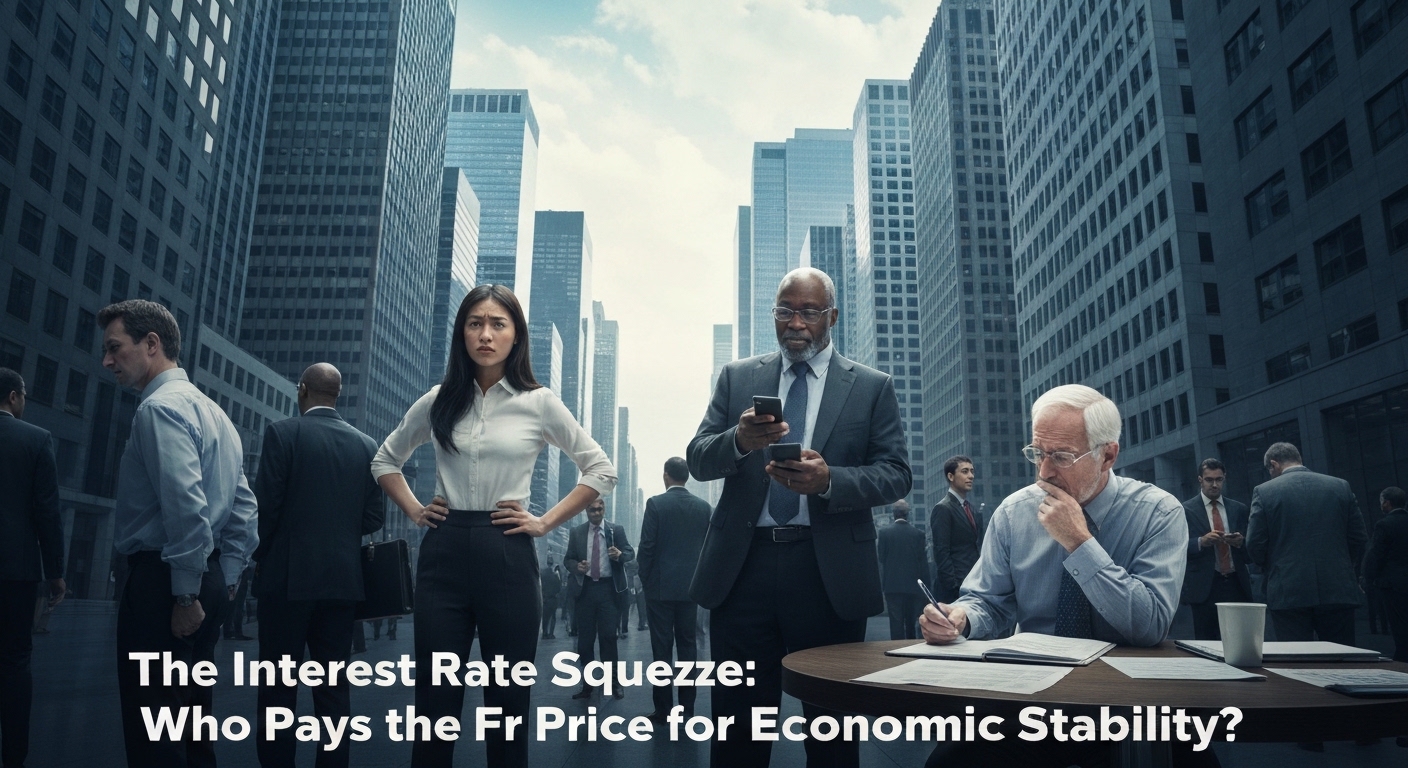
Across kitchen tables and factory floors, a quiet crisis is brewing. Central banks globally are aggressively hiking interest rates, a blunt instrument designed to curb runaway inflation. But for millions of working families, this battle for economic stability is pushing household budgets to their breaking point, turning a macro-economic strategy into a deeply personal struggle.

The logic is clear: raise borrowing costs to cool demand, thus bringing down prices. Yet, the reality on the ground is far more complex. Mortgages become unaffordable, rent increases are passed on, and the dream of buying a first home slips further out of reach. For those already living paycheck to paycheck, higher rates mean less disposable income for essentials, let alone saving for the future or navigating unexpected emergencies.
Small businesses, often the lifeblood of local communities, face crippling loan repayments, jeopardising jobs and growth. The promise of “trickle-down” benefits from a stable economy feels distant when the immediate impact is a tighter belt and dwindling opportunities. This isn’t just about numbers on a chart; it’s about parents choosing between heating and eating, students burdened by rising debt, and seniors watching their fixed incomes erode.
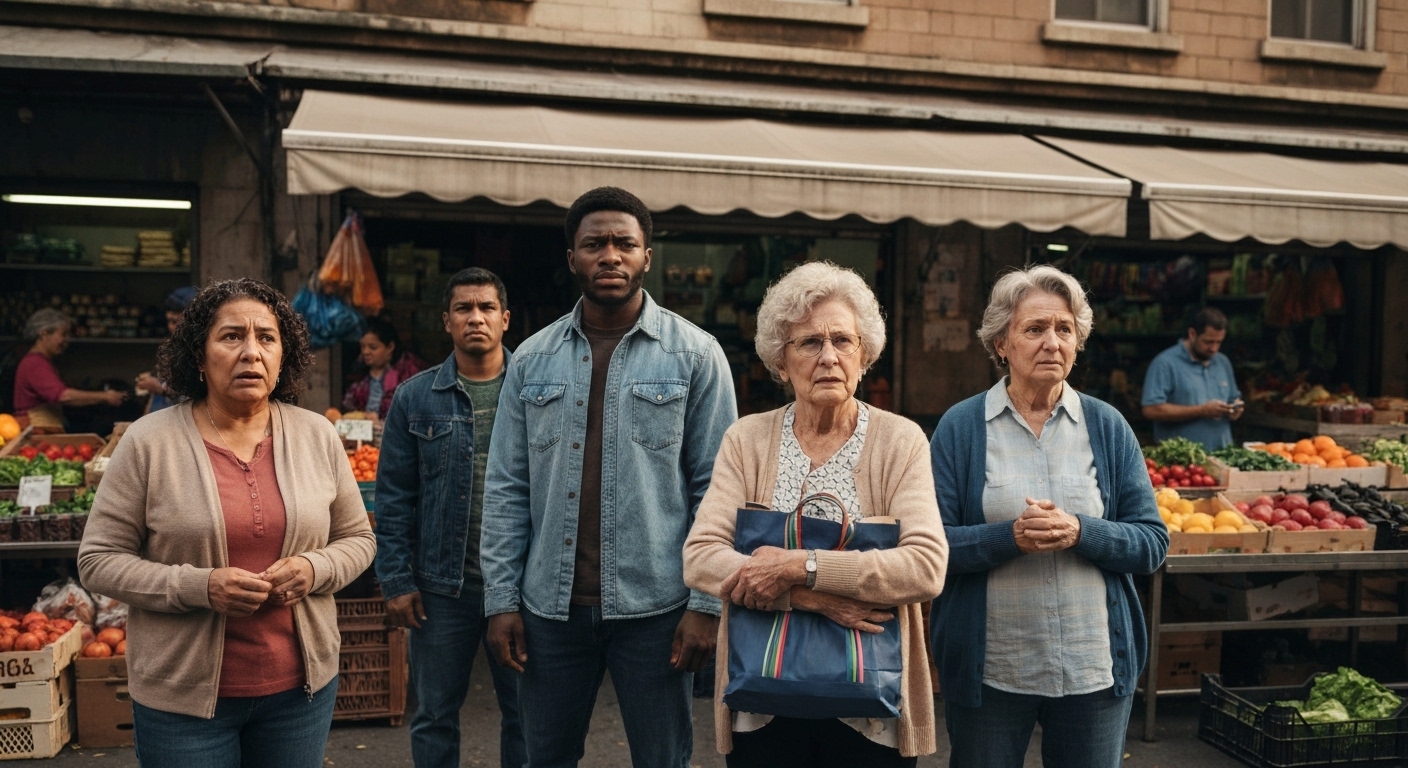
Progressive economists argue that this singular focus on interest rates overlooks deeper structural issues contributing to inflation, such as supply chain vulnerabilities, corporate profiteering, and stagnant wages. They contend that policies must be more nuanced, protecting the most vulnerable while addressing the root causes, rather than relying on tools that disproportionately punish those least responsible for economic imbalances.
As the economic tide shifts, policymakers face a critical choice: continue with policies that risk widening the chasm of inequality, or pivot towards solutions that genuinely support working families and foster inclusive prosperity. The stability of our economies should not come at the cost of the stability of our people’s lives.
(Pending Google AdSense Approval)


