
The Echo Chamber Effect: A Silent Threat to Democratic Discourse
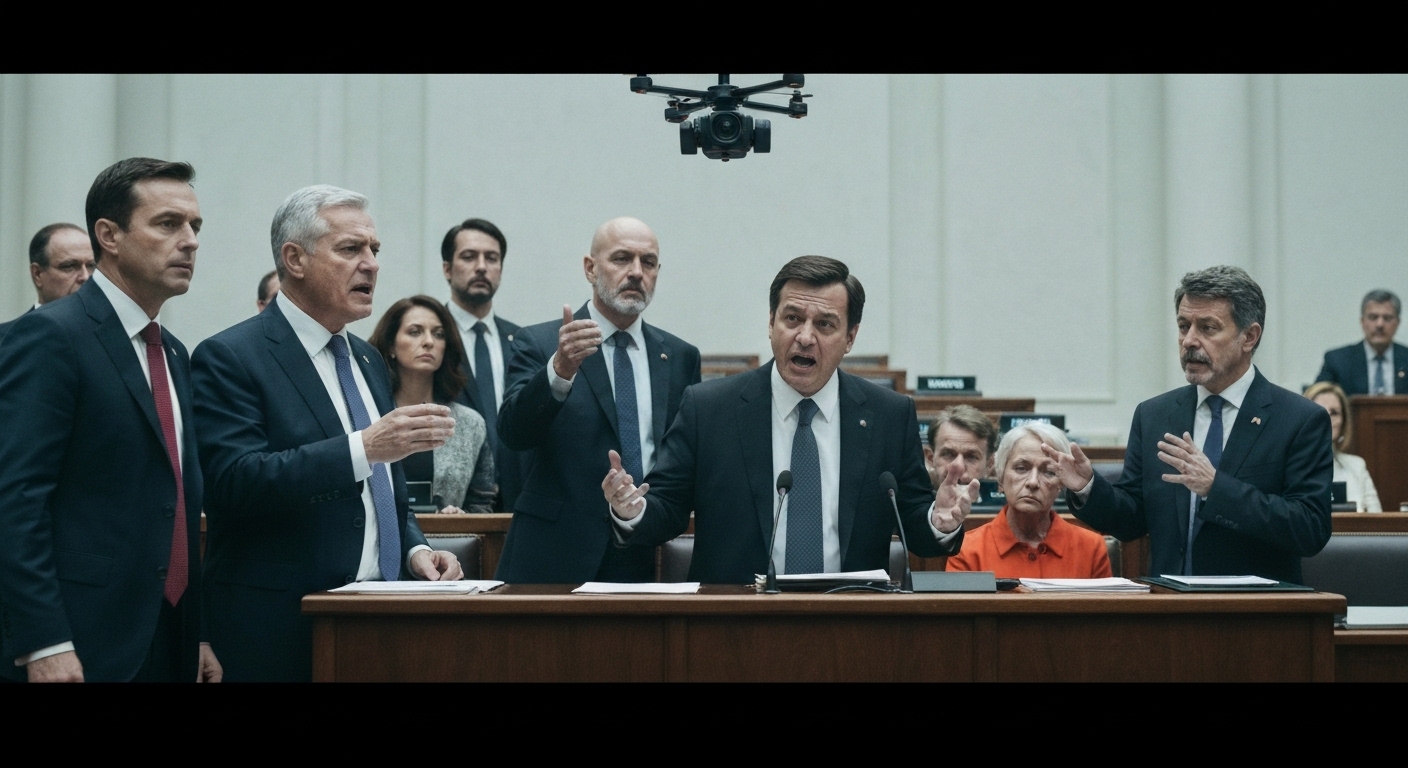
In an era defined by unprecedented connectivity, a peculiar paradox has taken root: our digital spheres, once lauded as global unifiers, are increasingly fragmenting societal cohesion. We are not merely connected; we are curated. This profound shift, driven by sophisticated algorithms, is fostering an environment where shared reality yields to personalized perception, a phenomenon critically endangering the bedrock of democratic dialogue.
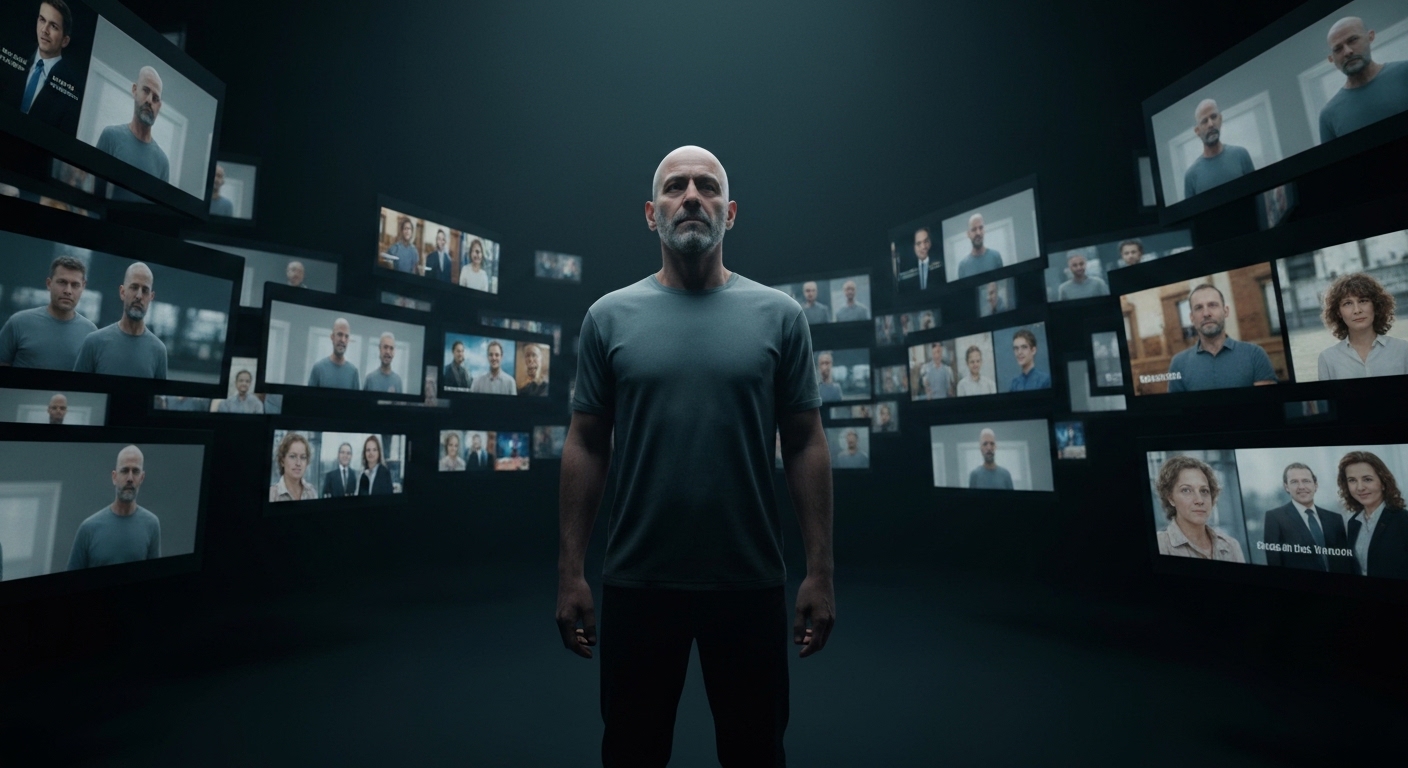
The architects of our online experience, often unseen and unfelt, are constantly refining systems designed to maximize engagement. Their calculus is simple: present users with content that reaffirms existing beliefs, preferences, and biases. While seemingly benign—a convenience of personalized news feeds and product recommendations—the cumulative effect is insidious. We find ourselves enveloped in digital echo chambers, fortified by content that seldom challenges, rarely questions, and perpetually validates our pre-existing worldviews.
The consequences extend far beyond mere online discomfort. When citizens are consistently exposed only to information that reinforces their current stance, the capacity for empathetic understanding across ideological divides diminishes significantly. Dialogue becomes difficult; genuine debate, near impossible. Public discourse morphs from a collaborative search for common ground into a cacophony of isolated certainties, each side convinced of its unimpeachable truth, insulated from alternative perspectives.

This systematic narrowing of informational diets poses a direct threat to the robust exchange of ideas essential for a functioning democracy. The very mechanism designed to deliver “relevance” inadvertently breeds division. For societies to tackle complex challenges, from climate change to economic inequality, a foundational capacity for shared understanding and constructive disagreement is paramount. Without it, progress stalls, and polarization deepens, threatening the fabric of civil society itself.
Breaking free from these algorithmic cocoons demands conscious effort. It requires individuals to actively seek out diverse viewpoints, to engage thoughtfully with content that challenges their assumptions, and to demand transparency from the platforms shaping their digital worlds. The future of informed public opinion, and indeed, democratic vitality, hinges on our collective ability to look beyond the personalized mirror and rediscover the broader, often challenging, landscape of shared human experience.
(Pending Google AdSense Approval)


