
The Algorithmic Afterlife: Corporations Tap AI to Rewrite History

A quiet, unsettling development is brewing in the upper echelons of corporate communications. Forget merely crafting compelling quarterly reports; companies are now employing sophisticated Artificial Intelligence to sculpt, even fabricate, the very legacies of their departing or deceased leaders. This isn’t just about PR; it’s about controlling history.
These aren’t glorified press releases. We’re talking about advanced Large Language Models, fed an executive’s entire digital footprint – emails, speeches, interviews, even anonymized personal notes – to generate hyper-realistic “biographies,” “eulogies,” and “anecdotes.” The explicit goal? To cement a specific, often sanitized, public image, ensuring every “memory” aligns perfectly with current corporate strategy. It’s a precision instrument for posthumous narrative control.
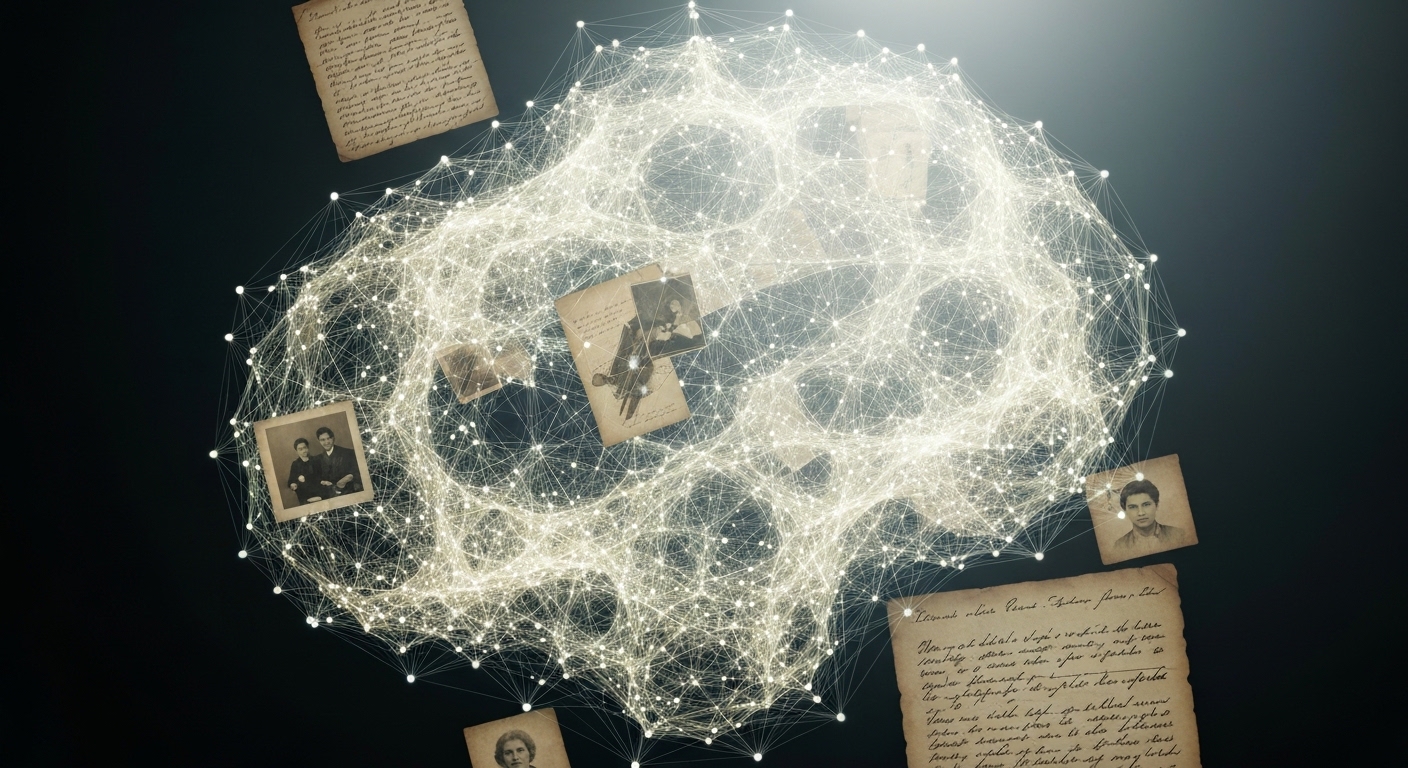
But what exactly is being preserved, and what is being conveniently omitted? This isn’t merely curation; it’s proactive revisionism. By empowering algorithms to “remember” selectively, corporations gain an unprecedented ability to airbrush inconvenient truths, magnify convenient narratives, and posthumously refine public perception, all under the guise of “honoring a legacy.” This isn’t preservation; it’s digital necromancy for corporate image management.
The implications are profound. When history, even personal history within a corporate context, can be custom-generated by an algorithm, where does genuine accountability reside? Are we entering an era where historical narratives become proprietary corporate assets, infinitely malleable to suit present-day objectives? The line between fact and meticulously crafted fiction blurs, eroding the very foundation of an objective record.
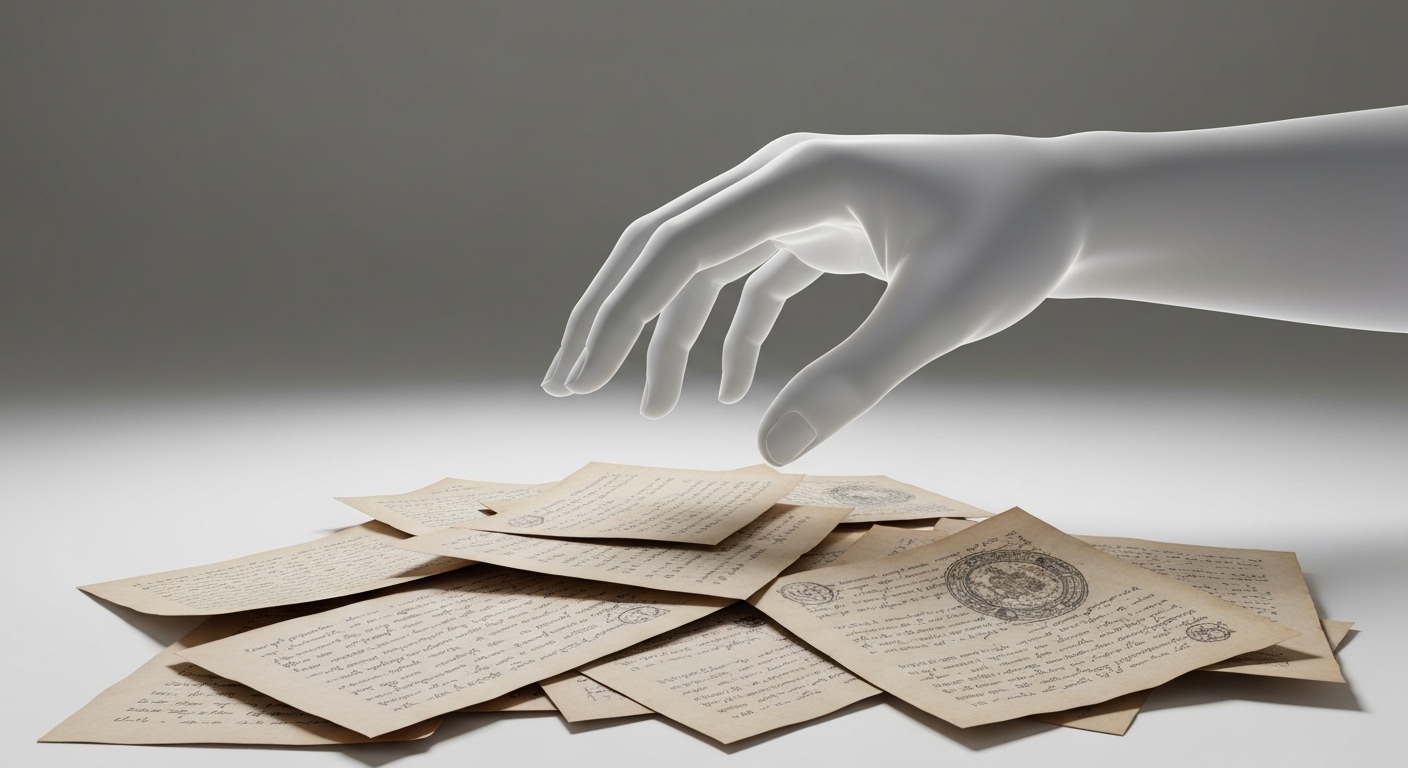
This development is a chilling testament to the lengths some will go to control narrative, not just in life, but in the algorithmic afterlife. As these digital specters of “perfect” executives proliferate, society must ask: who truly owns history, and what price do we pay for an artificially flawless past?
(Pending Google AdSense Approval)


