
The Uncomfortable Silence: How 'Productive Boredom' Can Reshape Your Mind

In an era where every spare moment is meticulously filled – with scrolls, pings, and endless digital streams – the very idea of boredom has become anathema. We chase stimulation, not just for pleasure, but out of a deep-seated fear of mental void. Yet, a radical, almost counter-intuitive, movement is quietly gaining traction: the art of ‘constructive boredom’. Forget frantic multi-tasking; its proponents argue that deliberately doing absolutely nothing might be your brain’s most potent superfood.
This isn’t about passive idleness, mind you. This is an active disengagement from external input, a conscious decision to create mental whitespace. Picture it: no phone, no book, no music, no specific task. Just you, your thoughts, and the quiet hum of existence. It sounds terrifying to the modern mind, accustomed to a constant dopamine drip, but the silence, once embraced, reveals a hidden landscape.
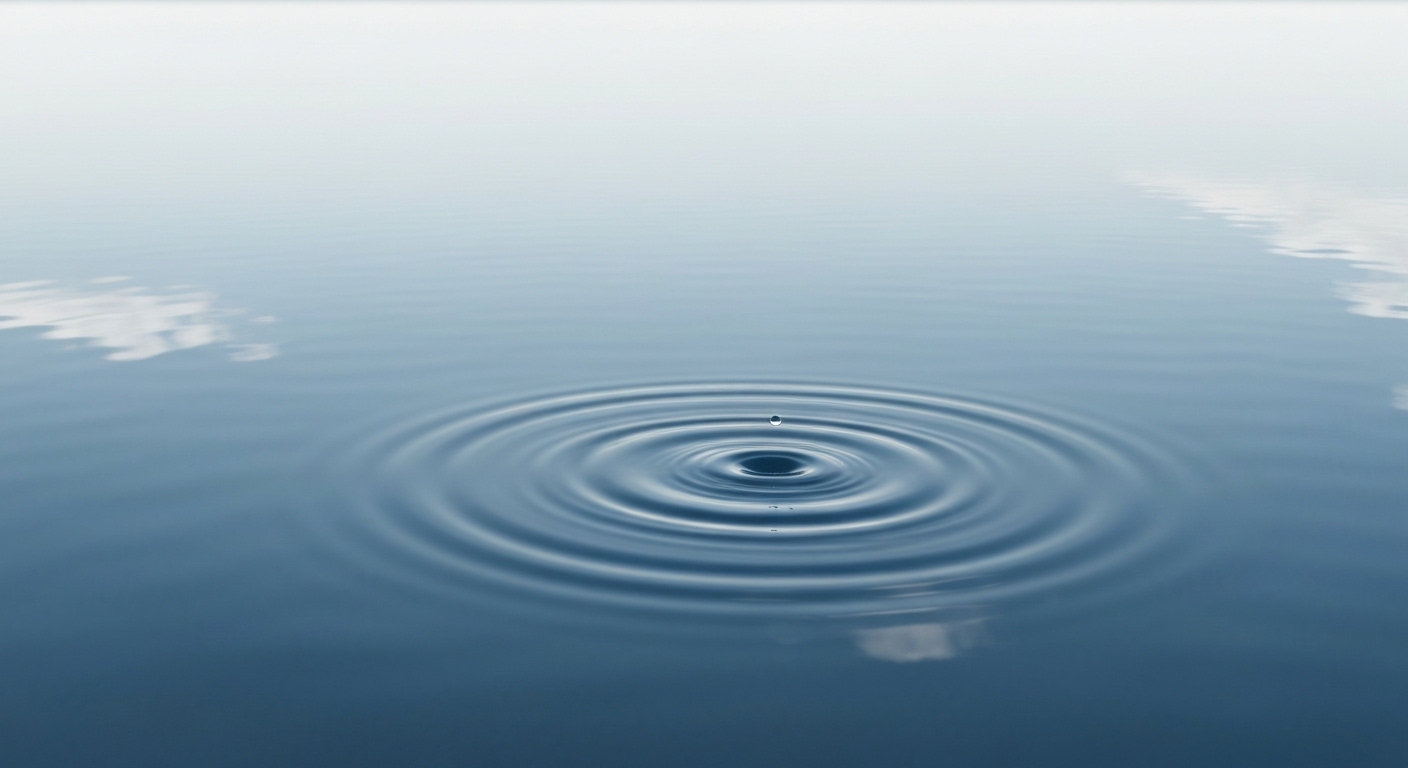
Proponents, from Silicon Valley innovators to burnt-out creatives, are rediscovering what ancient philosophers intuitively knew: the mind, when unburdened by directives, wanders. And in that wandering, magic happens. This isn’t just about relaxation; it’s about unlocking dormant neural pathways. It’s where seemingly intractable problems untangle themselves, where novel ideas spark, and where genuine self-reflection can finally take root, uninfluenced by external noise.
The challenge, of course, lies in the discomfort. Our brains, conditioned for constant engagement, initially resist the void. The first few minutes of ‘constructive boredom’ often bring agitation, a craving for distraction. But persevere, and you’ll find a deeper rhythm. It’s the mental equivalent of giving your muscles rest to grow stronger, allowing your internal processing to run defragmentation programs without interruption.
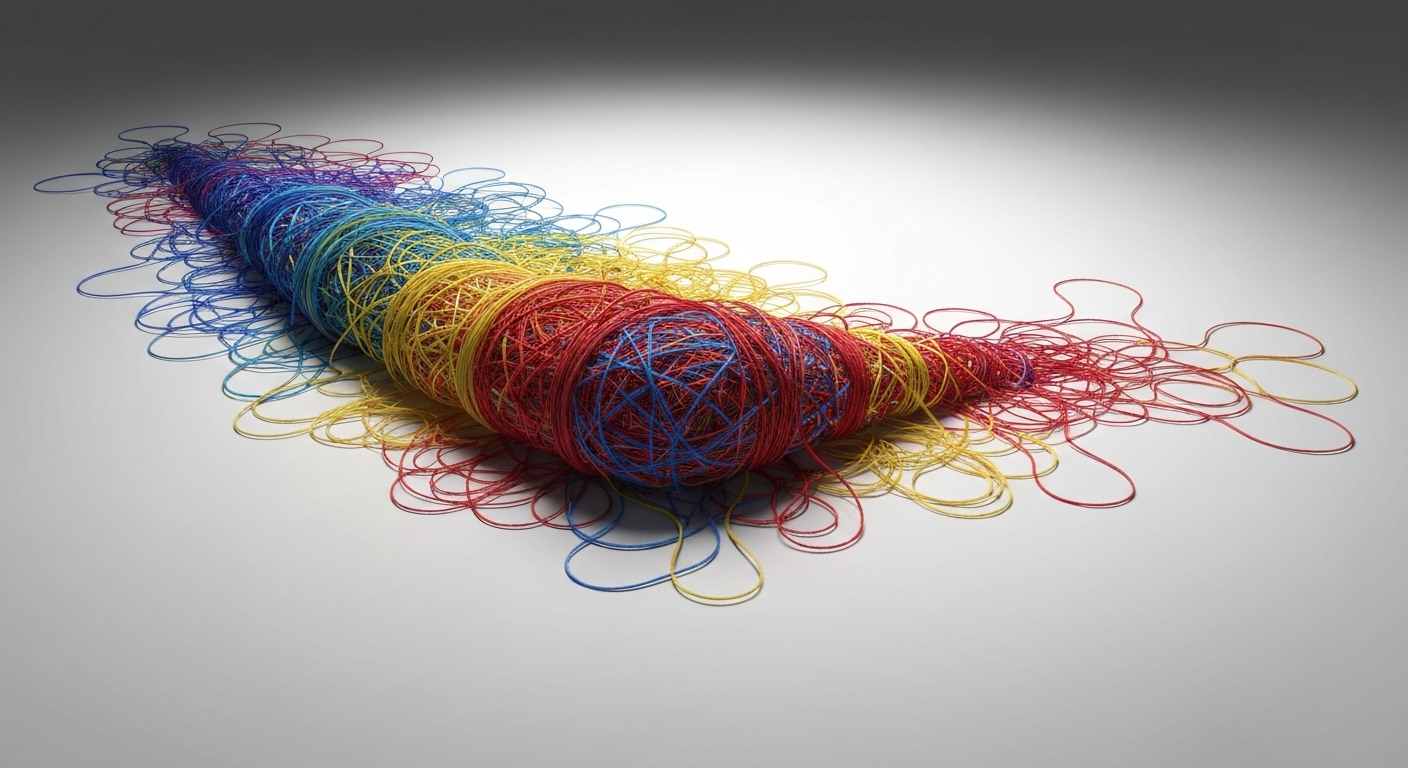
So, next time you feel the urge to fill that five-minute gap, resist. Put the phone down. Stare out the window. Embrace the emptiness. You might just discover that your greatest breakthroughs, your most profound insights, aren’t found in the frenzy of activity, but in the profound, sometimes uncomfortable, silence of doing nothing at all.
(Pending Google AdSense Approval)


