
Plastic Dreams: The Unseen Global Supply Chain Powering K-Pop's Tiny Treasures

The roar of a stadium, the perfectly synchronized choreography, the hypnotic glow of a lightstick – these are the hallmarks of K-Pop’s global dominance. Millions worldwide pledge allegiance to their chosen groups, transforming music into a deeply personal, tangible experience. But amidst the dazzling spectacle, a quieter, often overlooked phenomenon thrives: the humble photocard. More than just a piece of cardboard, these wallet-sized snapshots of idols are the currency of a vast, intricate collector’s ecosystem, holding unexpected secrets about global manufacturing and consumer desire.
Forget flimsy paper stock; the K-Pop photocard is an unsung marvel of modern printing. These aren’t just snapshots; they’re meticulously engineered collectibles. Think high-grade coated art paper, chosen not just for vibrant idol visages, but for its longevity in collectors’ binders. Then comes the magic of lamination: layers of specialized BOPP film providing that coveted matte softness or brilliant gloss, sometimes even elusive holographic shimmers that catch the light just so. Each card is a testament to precision die-cutting, ensuring uniformity across millions, a quiet nod to printing houses worldwide that have subtly recalibrated their high-tech machinery to serve the insatiable appetite of fandom. It’s industrial artistry in miniature.

This specialized production fuels a dizzying global micro-economy. From South Korean printing behemoths to independent resellers across continents, the photocard market thrives. Online forums buzz with trades and sales, sometimes seeing cards—especially rare, limited-edition, or “error” prints—fetch hundreds, even thousands, of dollars. It’s a parallel universe of value, where perceived rarity and fan loyalty dictate price, completely detached from the idol’s musical output. Collectors meticulously sleeve, grade, and display their tiny treasures, often investing in bespoke albums and protective gear. The emotional connection transcends the physical object; it’s a tangible piece of their cherished fandom, a ‘proof of participation’ in a global phenomenon.
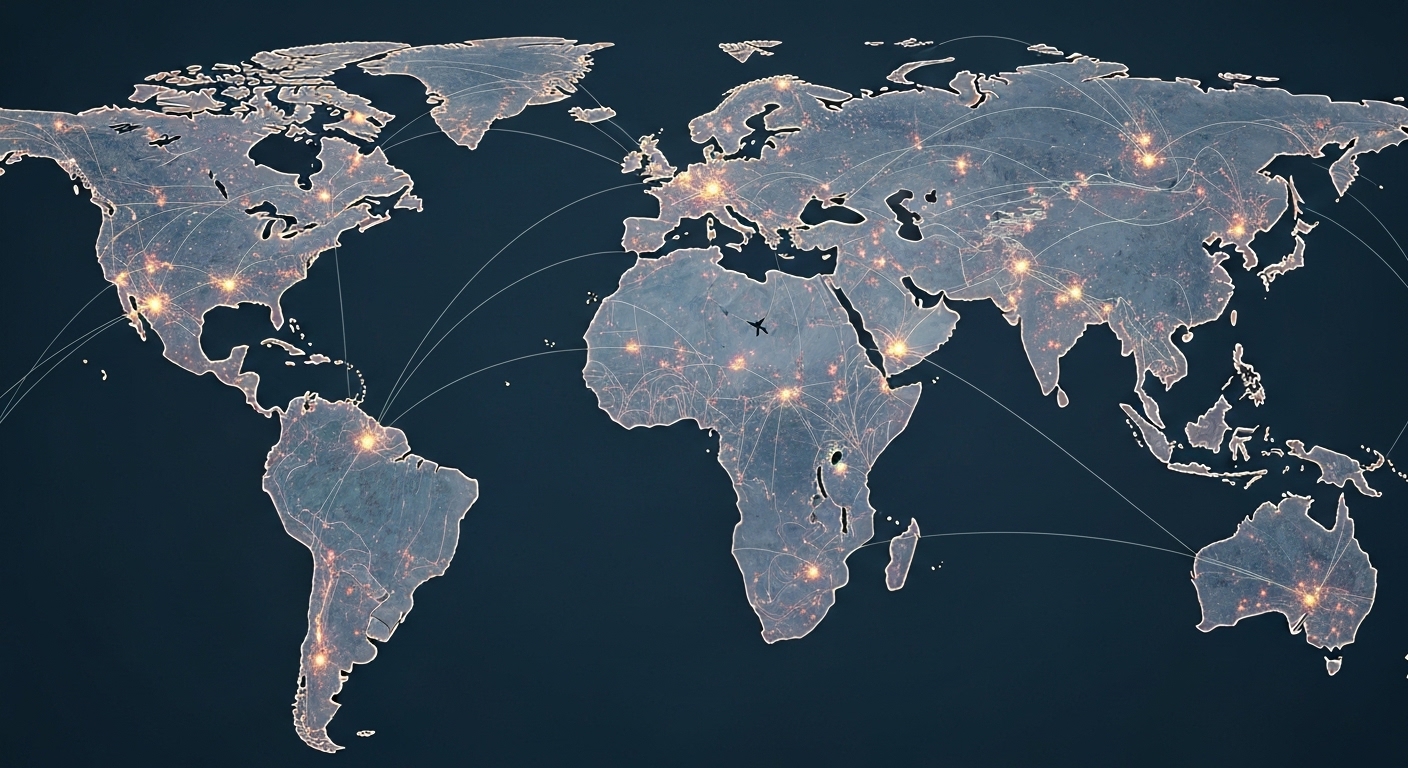
So, the next time you see a K-Pop fan carefully tucking away a photocard, remember the hidden story it tells. It’s not just an idol’s face; it’s a meticulously crafted artifact, a product of sophisticated material science, global manufacturing adaptation, and an enduring testament to the power of collective passion. These tiny rectangles, seemingly insignificant, are in fact vital cogs in a fascinating, unseen global machine, proving that even the most niche corners of pop culture can drive unexpected industrial and economic currents across the world.
(Pending Google AdSense Approval)


