The 12-Hour Milestone: A New Era for Operating Systems
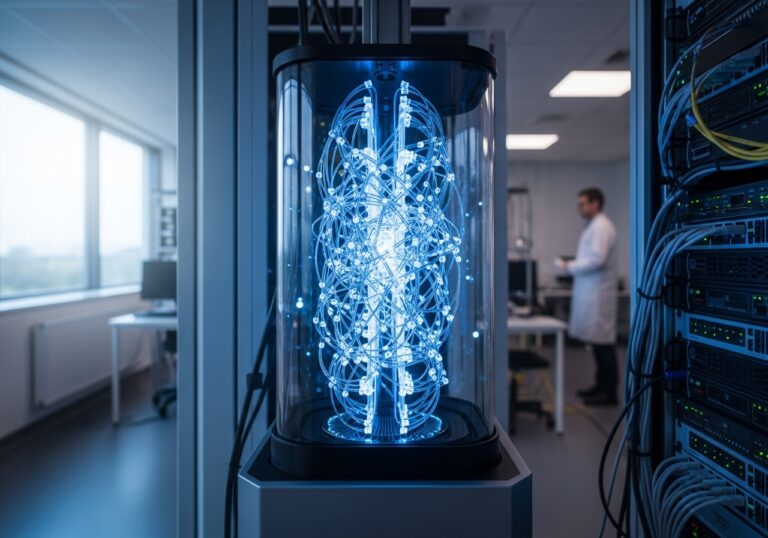
Google has fundamentally altered the trajectory of software development at the I/O 2026 developer conference. The tech giant demonstrated an advanced AI model capable of architecting a fully functional operating system (OS) from scratch in just 12 hours. This milestone marks a departure from traditional coding cycles that typically span years and require thousands of human engineers.
The core of this achievement lies in hyper-automated software synthesis. By leveraging massive datasets and recursive self-improvement algorithms, the AI can handle complex kernel tasks, memory management, and driver compatibility without human intervention. This shift suggests that the era of manual, line-by-line coding is rapidly evolving into a high-level supervisory role for human engineers.
Industry analysts are calling this the 12-hour paradigm shift. The ability to generate complex software environments in such a short timeframe could lead to hyper-personalized computing. In the near future, users might have bespoke operating systems tailored specifically to their hardware and security needs, generated on the fly rather than downloaded as static updates.
Redefining the Developer Landscape
However, this breakthrough also raises significant questions regarding security and transparency. While the AI can produce code at lightning speed, the black-box nature of some neural networks makes auditing for vulnerabilities a new challenge. The presentation at I/O 2026 emphasized that new AI safety frameworks are being developed to monitor these “fast-build” environments in real-time.
“The speed of innovation is no longer limited by human typing speed, but by the clarity of our architectural goals.”
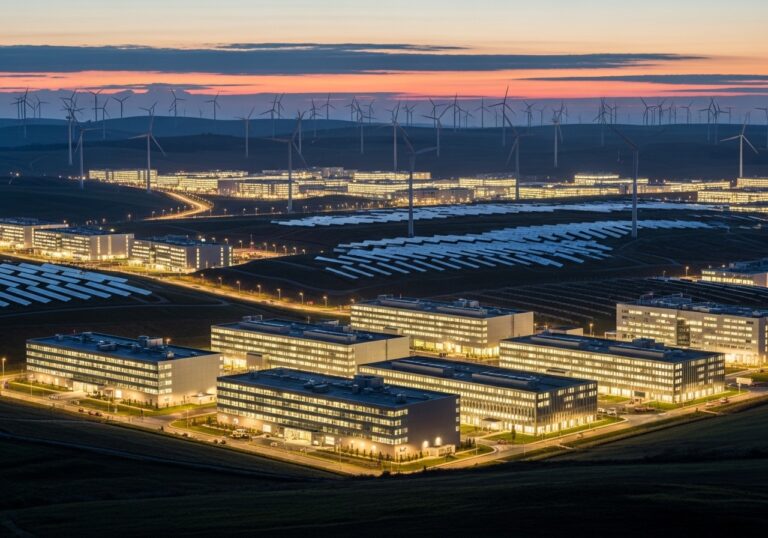
Ultimately, Google I/O 2026 has set a new benchmark for the tech industry. As AI transitions from a coding assistant to a primary architect, the focus for global tech firms will likely shift from talent acquisition to computational resource management. The future of technology is no longer just about who has the best developers, but who has the most efficient AI engines to drive the next generation of digital infrastructure.
작성자 소개