The New Foundation of Global Prosperity
The landscape of the global economy is undergoing a seismic transformation as artificial intelligence moves from a niche technological advancement to the central pillar of industrial growth. Recent projections suggest that total global investment in AI infrastructure will surge to approximately 1,516.7 trillion KRW (roughly $1.1 trillion USD) by the year 2026. This massive capital influx is no longer just about software development; it represents a comprehensive overhaul of physical and digital assets worldwide.
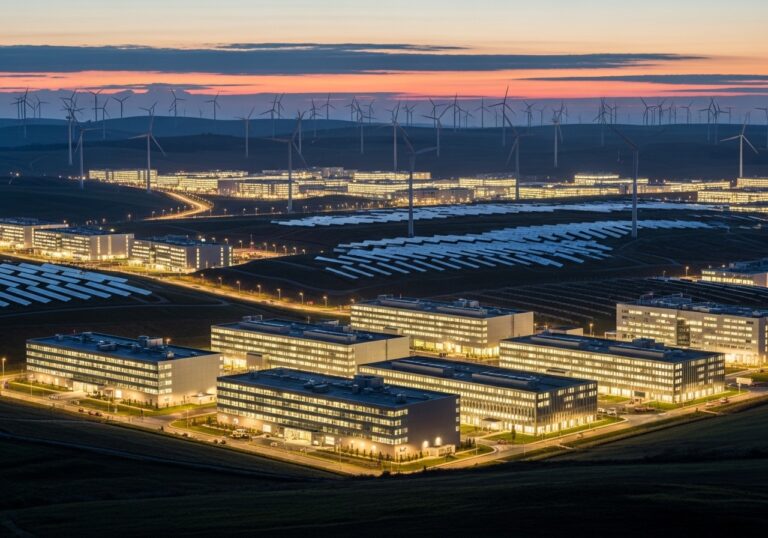
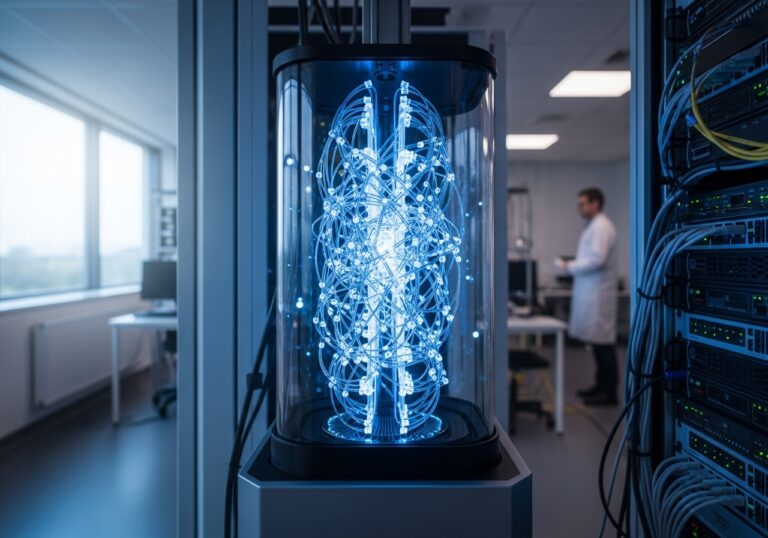
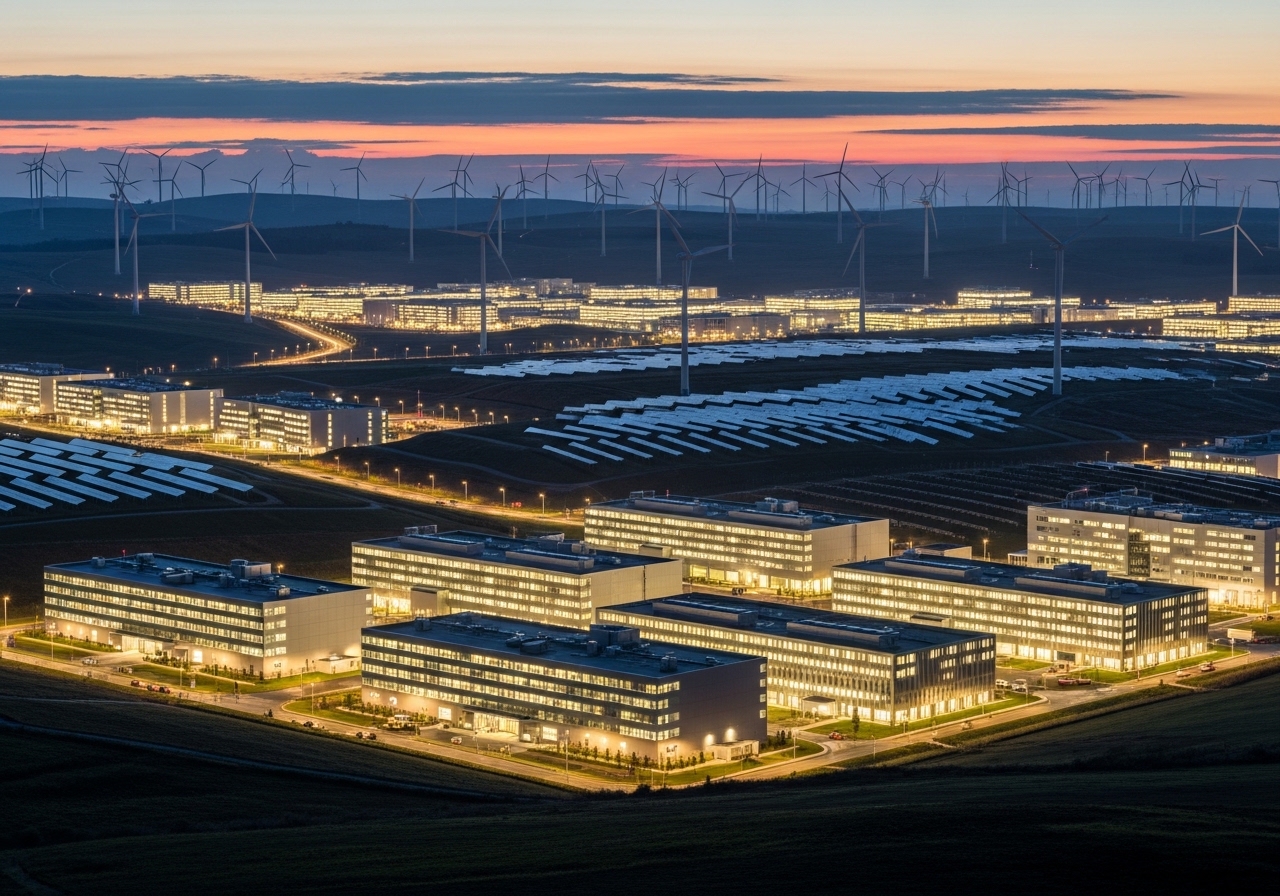
Unlike previous technological booms, the current AI expansion is characterized by its heavy reliance on physical infrastructure. This includes the massive construction of hyperscale data centers, the production of specialized semiconductors, and the development of advanced cooling systems. These components are forming a new digital backbone that experts believe will dictate the competitive standing of nations in the coming decade.
Broadening the Economic Ripple Effect
The impact of this investment extends far beyond the traditional technology sector. The demand for massive computing power is driving a parallel boom in the energy sector, particularly in renewable energy and next-generation power grids. Construction firms and hardware manufacturers are also seeing unprecedented growth as they race to build the facilities required to house the world’s burgeoning AI capabilities.
- Increased demand for high-performance computing (HPC) chips and memory.
- Expansion of sustainable energy solutions to power energy-intensive data hubs.
- Growth in specialized construction and engineering services for tech facilities.
Furthermore, this capital surge is expected to act as a hedge against stagnation in other sectors. By automating complex processes and optimizing supply chains, AI infrastructure provides a productivity boost that could offset demographic challenges in aging economies. Governments and private enterprises are now viewing AI readiness as a critical metric for long-term financial stability.
“The shift toward AI-centric infrastructure represents the largest capital reallocation in modern history, fundamentally changing how value is created across every major industry.”
Challenges and Future Trajectory
While the financial outlook remains bullish, the road to 2026 is not without hurdles. The rapid pace of investment brings concerns regarding supply chain bottlenecks and the environmental footprint of massive data operations. However, the consensus among economists is that the momentum is irreversible, with AI infrastructure poised to become the most significant driver of the Fourth Industrial Revolution.
As we approach the mid-point of the decade, the focus is shifting from whether AI will impact the economy to how fast the infrastructure can be deployed. The transition to an AI-driven economic model is well underway, promising a future where digital intelligence is as fundamental to society as electricity or the internet.
작성자 소개