A Momentary Equilibrium in the Middle East
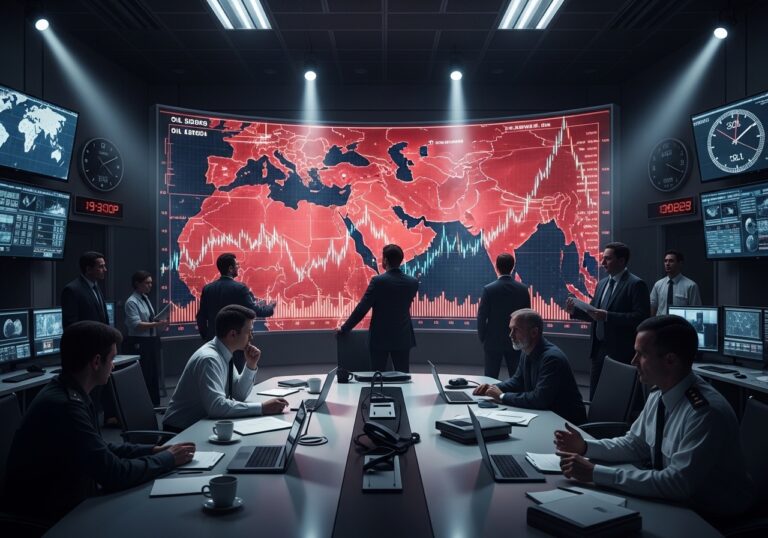
The recent shift from active military confrontation to a diplomatic "pause" between Washington and Tehran has sent a clear signal to global markets. After weeks of heightened anxiety that threatened to disrupt energy supplies, the immediate threat of a full-scale regional war appears to have receded. This momentary stabilization is not merely a political victory but a vital economic lifeline for a world still grappling with inflationary pressures.
For global investors, the de-escalation represents a removal of the immediate "war premium" that had been baked into commodity prices. The relief is palpable across major stock exchanges, as the specter of a direct conflict involving major world powers often leads to capital flight and extreme risk aversion. However, this peace is widely viewed by analysts as a calculated stalemate rather than a permanent resolution of grievances.
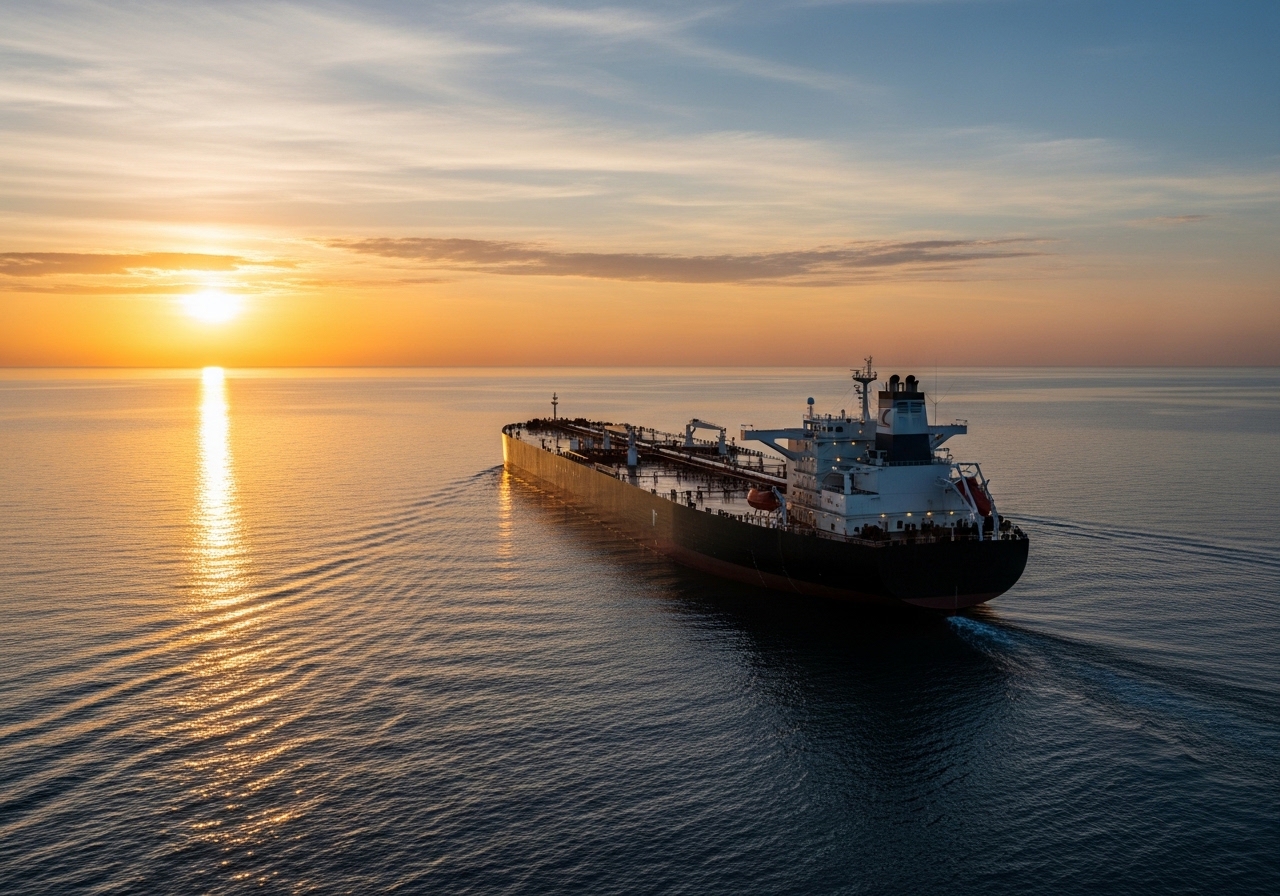
Historically, the Strait of Hormuz has served as the world’s most sensitive energy chokepoint. Any friction between these two powers historically translates into a spike in Brent crude prices. The current shift toward a "cooling off" period has allowed oil futures to stabilize, providing central banks with the breathing room necessary to focus on domestic fiscal policies rather than emergency energy interventions.
The Shadow of Uncertainty Remains
Despite the current calm, experts warn that the underlying ideological and strategic frictions remain unresolved. We are witnessing a transition from overt kinetic military actions to a more subtle asymmetric warfare. This includes cyber maneuvers, proxy influence, and economic sanctions that continue to simmer beneath the surface of official diplomacy, keeping the geopolitical risk index at a baseline high.
- Market Volatility: While current indices are stable, they remain sensitive to sudden geopolitical rhetoric.
- Energy Security: The diversification of energy routes remains a top priority for European and Asian markets.
- Diplomatic Channels: Back-channel communications are currently the primary tool for preventing accidental escalation.
Investors should remain cautious as the global economy’s "breathing room" is contingent on both parties maintaining this delicate status quo. A single miscalculation in the Persian Gulf or a breakdown in proxy management could reignite volatility instantly. This suggests that the current stability is as much about geopolitical fatigue as it is about strategic intent from either side.
"The absence of war is not the presence of peace; it is merely the realignment of conflict into different dimensions."
In conclusion, while the world economy enjoys a much-needed reprieve, the long-term outlook remains clouded. The "end" of this specific chapter in the US-Iran saga is likely just a transition into a more complex, less visible form of competition. For the global market, the focus now shifts from immediate survival to long-term resilience in an increasingly multipolar and unpredictable world.
작성자 소개