The Fragile Equilibrium of Global Markets
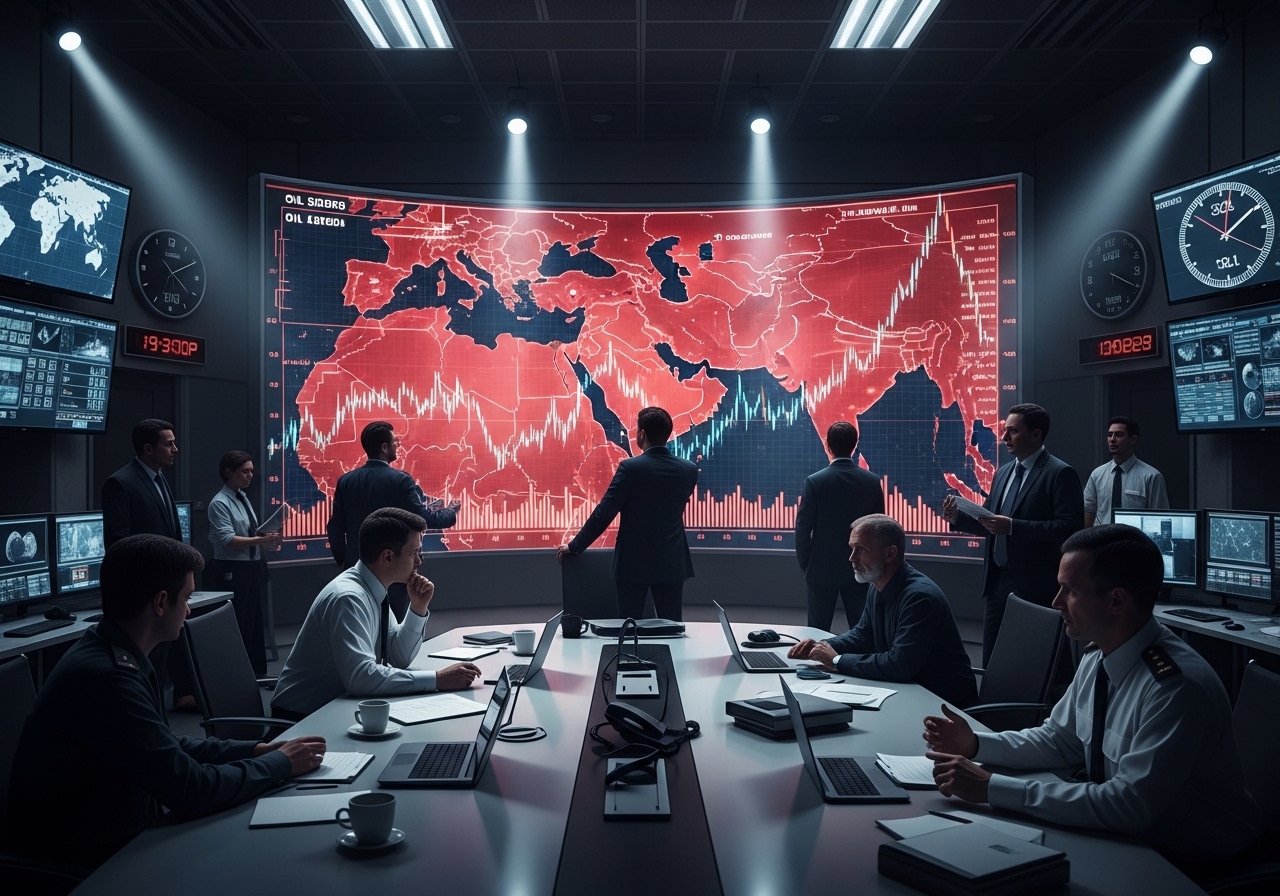
In a world still reeling from the structural shifts of the past few years, the sudden escalation of tensions between the United States and Iran has emerged as a critical pivot point for financial analysts. Fitch Ratings recently adjusted its global economic growth forecast downward, a move that signals more than just a temporary dip in market confidence. This revision reflects a deeper realization that geopolitical stability is no longer a given, but a volatile variable that can disrupt even the most robust recovery trajectories.
The interconnected nature of modern trade means that a localized conflict in the Middle East has immediate, cascading effects across the globe. For investors and policymakers, the primary concern is not just the direct military implications, but the systemic risk posed to energy security and international maritime routes. When a major rating agency like Fitch recalibrates its outlook, it forces a re-evaluation of risk premiums across all asset classes.
The Energy Nexus and Inflationary Pressure
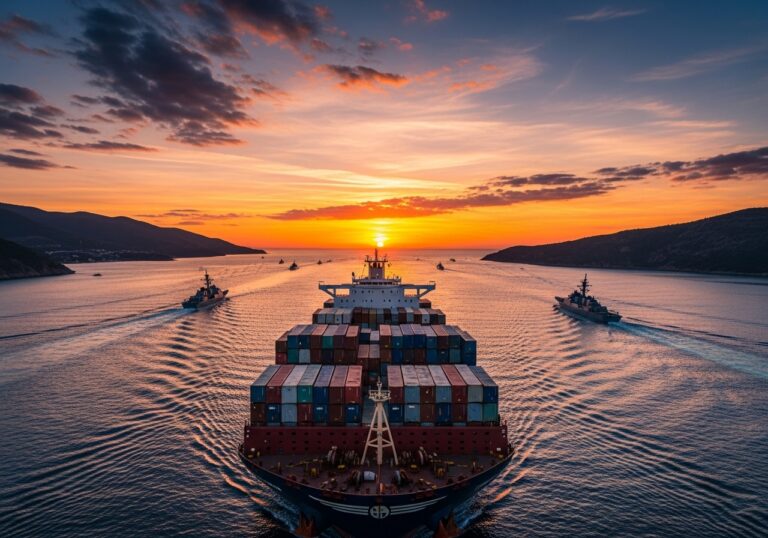
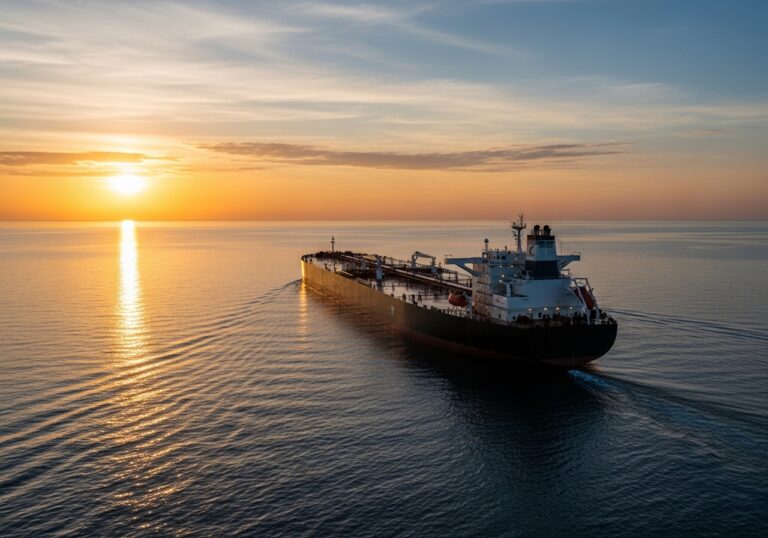
At the heart of this downward revision lies the price of crude oil. The Middle East remains the world’s most vital energy hub, and any threat to the Strait of Hormuz sends shockwaves through the supply chain. Higher energy costs act as a regressive tax on global consumers, effectively dampening discretionary spending and increasing the cost of production for manufacturers from East Asia to Western Europe.
Furthermore, this surge in energy prices complicates the delicate balancing act performed by central banks. With inflation already a sensitive topic, a geopolitical supply shock could force interest rates to remain higher for longer. This scenario creates a ‘double whammy’ for emerging economies that are already struggling with debt servicing and currency depreciation against a strong dollar.
“Geopolitical risk is the new inflation driver, creating a landscape where traditional monetary tools may struggle to provide their intended relief.”
Market Volatility and the Flight to Safety
Institutional investors are increasingly pivoting toward defensive strategies as the rhetoric between Washington and Tehran intensifies. We are seeing a marked shift in capital flows, with a distinct ‘flight to safety’ into gold, government bonds, and other low-risk instruments. This withdrawal of liquidity from riskier markets further suppresses the growth potential of developing nations, creating a widening gap in the global economic recovery.
The uncertainty also hinders long-term corporate investment. When the future of global trade routes is in question, multinational corporations tend to delay capital expenditures and expansion plans. This wait-and-see approach creates a stagnation effect that can take quarters, if not years, to reverse, regardless of whether the immediate conflict escalates or de-escalates.
The Long-term Outlook: A New Strategic Paradigm
Looking ahead, the downgrade by Fitch should be viewed as a clarion call for accelerated energy diversification. The reliance on geographically concentrated energy sources remains a fundamental vulnerability for the global economy. Nations that successfully transition to more localized or renewable energy grids will likely find themselves more resilient to these types of geopolitical shocks in the future.
In conclusion, while the immediate focus remains on the diplomatic and military developments in the region, the economic narrative is one of caution and recalibration. The path to global growth is currently obstructed by the shadows of regional instability, necessitating a more nuanced and strategically diverse approach to international investment and economic policy.
작성자 소개