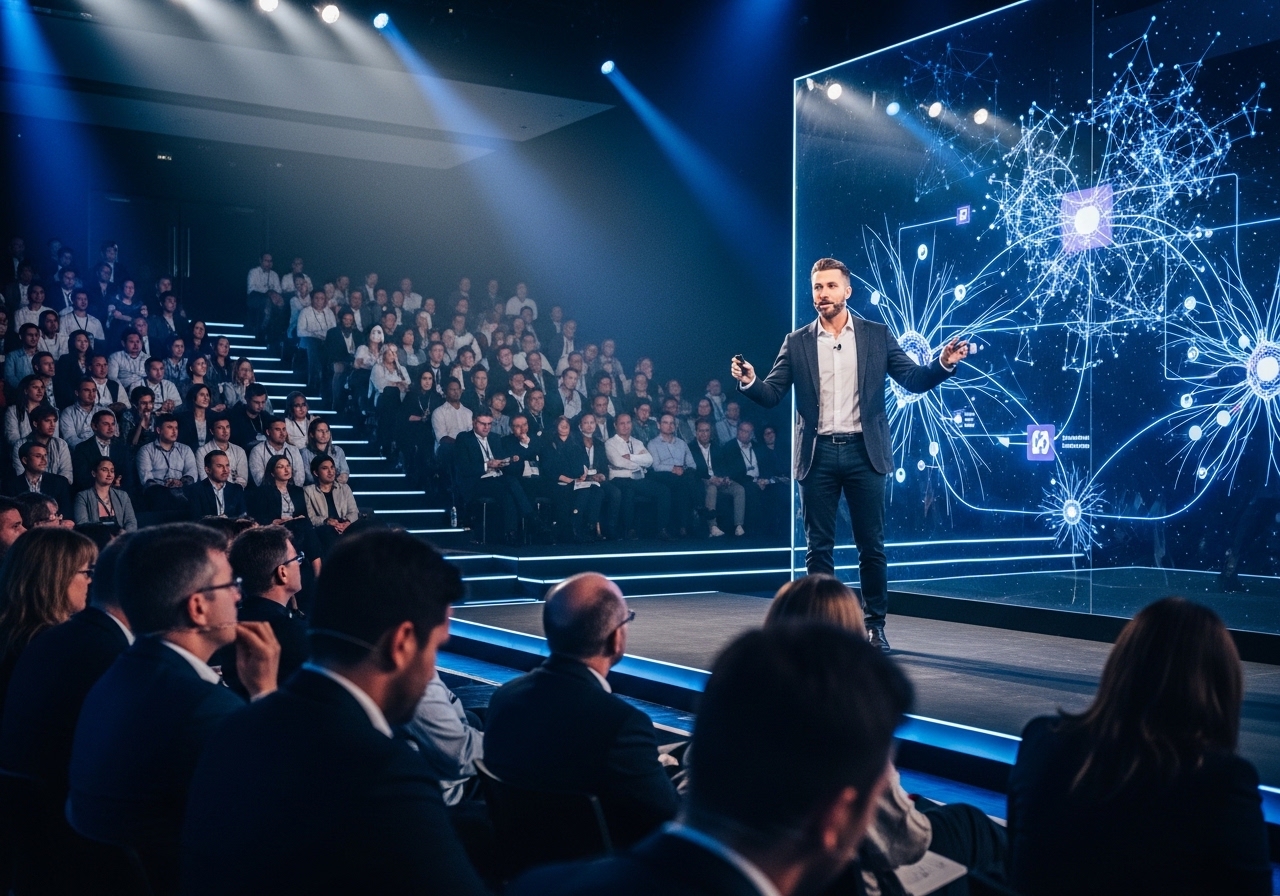
The Strategic Shift in AI Infrastructure Leadership
The global landscape of artificial intelligence is undergoing a significant transformation, moving from purely software-driven innovation to a deep reliance on high-performance hardware. In this context, recent statements from the world’s leading AI chip designer regarding the possibility of hosting its flagship annual conference in Seoul, South Korea, have sparked intense industry analysis. This move is not merely a logistical change but a strategic recognition of South Korea’s indispensable role in the AI supply chain.
Expert analysts suggest that bringing a major AI summit to Seoul would solidify the partnership between Silicon Valley’s architectural designs and the cutting-edge memory solutions produced by Korean giants. As the demand for High Bandwidth Memory (HBM) continues to skyrocket, the physical proximity of software innovators to hardware manufacturers has become a critical factor in maintaining the pace of technological advancement.
A Hub for Next-Generation Semiconductor Collaboration
South Korea stands as a global powerhouse in the semiconductor sector, housing the primary production lines for the chips that power modern data centers. By expressing a willingness to host a
‘global AI conference’
in Seoul, the leadership of the leading GPU manufacturer is signaling a desire to deepen integration with the local ecosystem. This potential event would likely serve as a catalyst for new joint ventures and technical standards in the AI hardware space.
- Acceleration of HBM3E and HBM4 development cycles.
- Strengthening of the local AI startup ecosystem through global exposure.
- Direct engagement with South Korea’s top-tier engineering talent.
- Geopolitical diversification of high-tech industry summits.
From an economic perspective, hosting such a high-profile event would provide a massive boost to Seoul’s status as a global tech hub. It would draw thousands of international developers, investors, and researchers, effectively turning the city into the epicenter of the AI world for a week. This move reflects a broader trend where tech leaders are seeking to honor the manufacturing regions that make their digital visions a physical reality.
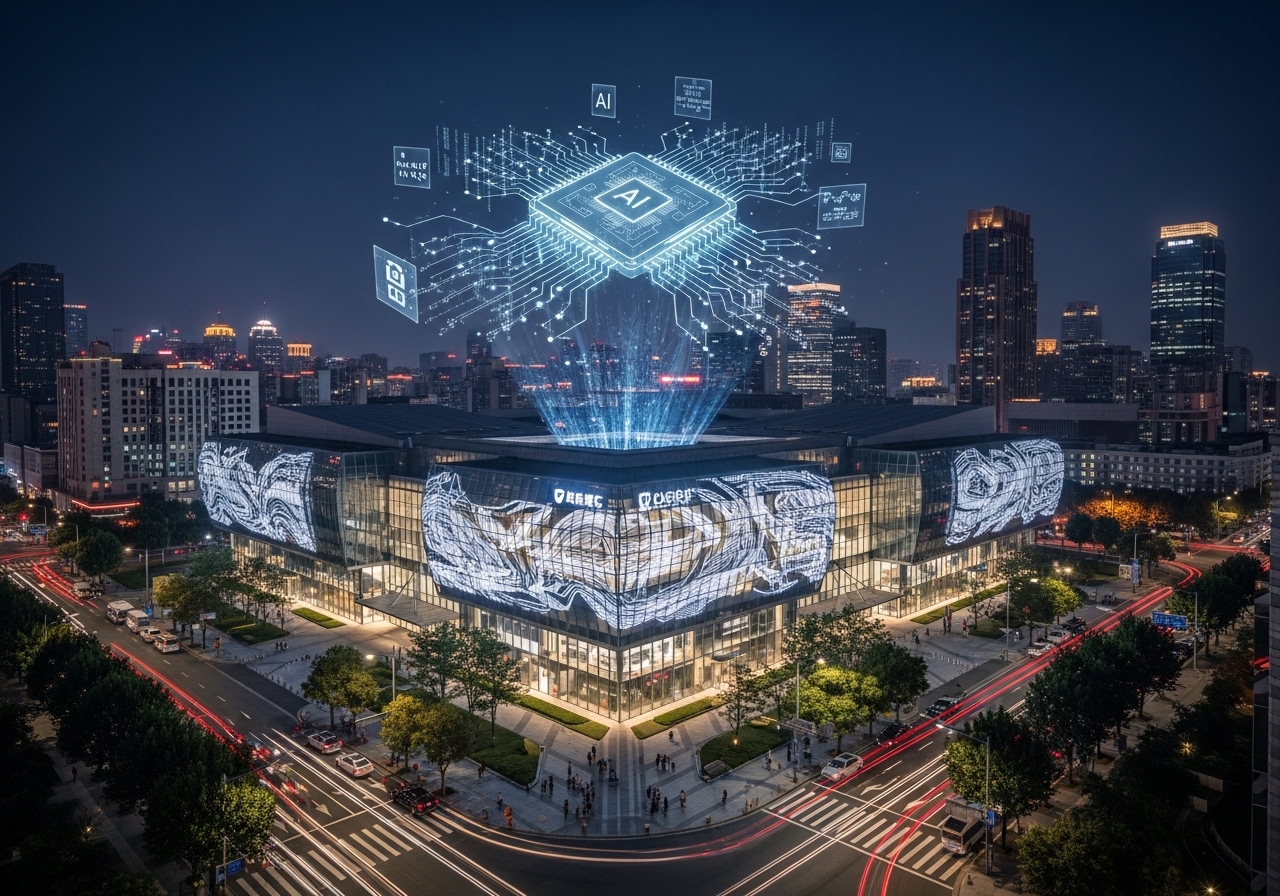
Conclusion: A New Era of Hardware-Software Integration
The possibility of Seoul hosting a premier AI conference underscores a fundamental truth in modern computing: software is only as powerful as the hardware it runs on. By bridging the gap between the U.S. design centers and Korean manufacturing plants, the industry is poised for a new era of efficiency. Should this event materialize, it will mark a pivotal moment in the globalization of AI leadership, moving beyond the traditional confines of Silicon Valley to embrace the global partners that sustain the industry’s growth.
작성자 소개