Revolutionizing Robotics Through Autonomous Code Generation
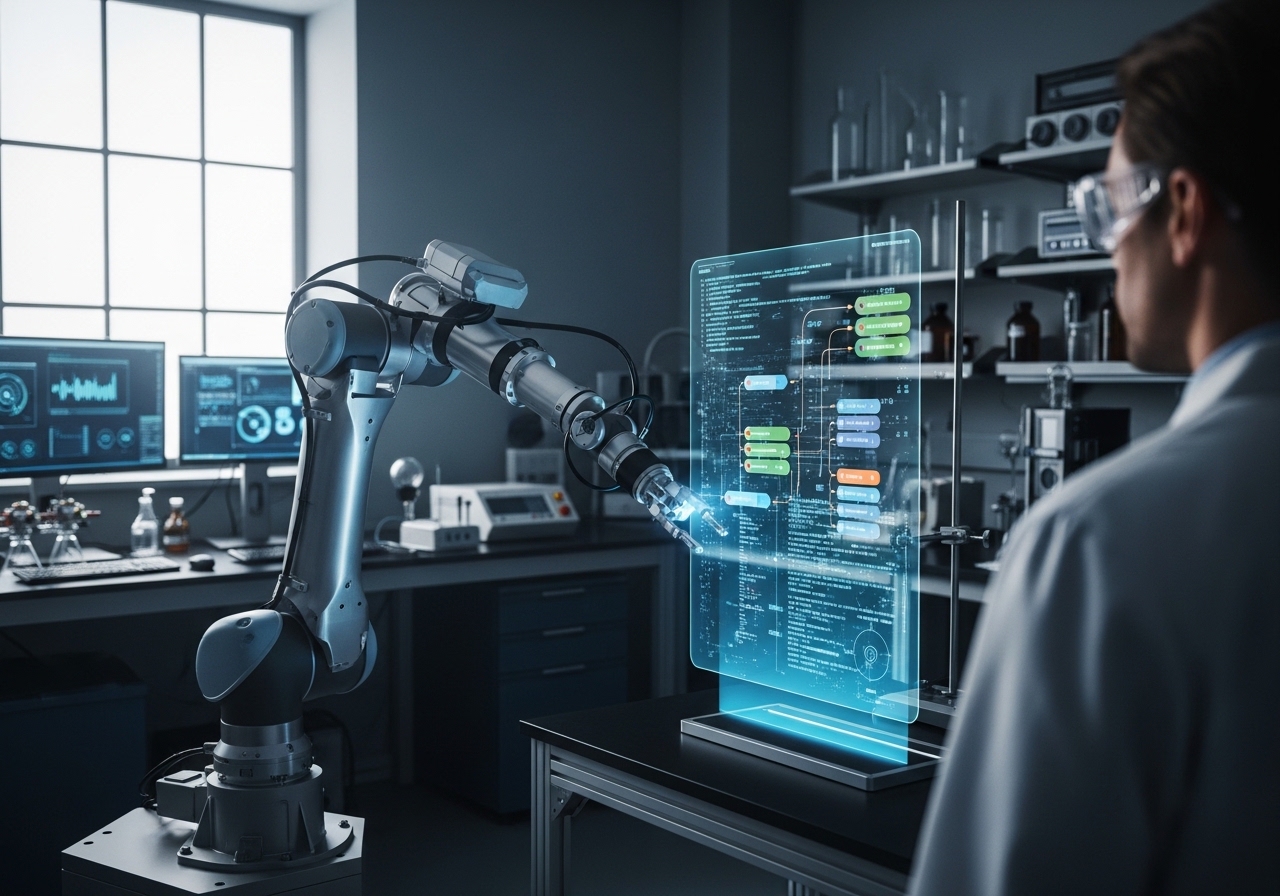
In a significant leap for industrial automation, a global technology leader has introduced Aspire, a groundbreaking robotic learning system. This new framework allows robots to move beyond rigid, pre-programmed instructions by enabling them to autonomously generate and refine their own control code. By leveraging large language models (LLMs), the system can interpret high-level human commands and translate them into executable machine logic without manual intervention.
Traditional robotic deployment has long been hindered by the need for expert engineers to write thousands of lines of specific code for every new task. Aspire disrupts this bottleneck by implementing a self-correcting feedback loop. When a robot encounters an error during task execution, it analyzes the failure, debugs its own script, and attempts a new solution, effectively learning from its mistakes in real-time.
The Power of Continual Learning and Feedback
At the core of this innovation is the concept of Continual Learning. Unlike standard AI models that remain static after training, this system evolves through constant interaction with its environment. This capability ensures that robots become more efficient and precise the longer they operate, significantly reducing the time required for industrial setup and optimization.
- Self-Correction: Robots identify coding errors and rewrite scripts autonomously.
- Scalability: One system can be adapted to various hardware configurations with minimal adjustments.
- Efficiency: Drastically reduces the human labor required for complex robotic programming.
Industry experts suggest that this technology could redefine the manufacturing and logistics sectors. By removing the technical barriers to robot programming, companies can deploy flexible automation solutions much faster than previously possible. This shift marks the transition from robots as tools to robots as intelligent collaborators capable of independent problem-solving.
“The era of manual debugging for industrial machines is coming to an end, replaced by systems that understand intent and execute logic autonomously.”
As the field of embodied AI continues to mature, the integration of self-coding capabilities will likely become the new standard. While the technology is still in its early deployment phases, the successful demonstration of autonomous debugging suggests a future where machines can manage their own lifecycle, from initial task learning to long-term performance optimization.
작성자 소개