The landscape of professional collaboration is undergoing a fundamental shift as multimodal artificial intelligence migrates from experimental labs to mainstream productivity suites. The traditional reliance on static documents and linear presentation slides is being challenged by a new era of automated, high-fidelity video content designed for the modern enterprise.
Google has recently announced a significant upgrade to its Vids platform, incorporating the advanced Gemini Omni model to streamline the transition from raw data to cinematic storytelling. This integration marks a pivot point where AI does not just assist in writing text but takes over the role of a full-scale production studio, capable of processing video, audio, and text simultaneously.
Synthesizing Reality with Personal Avatars
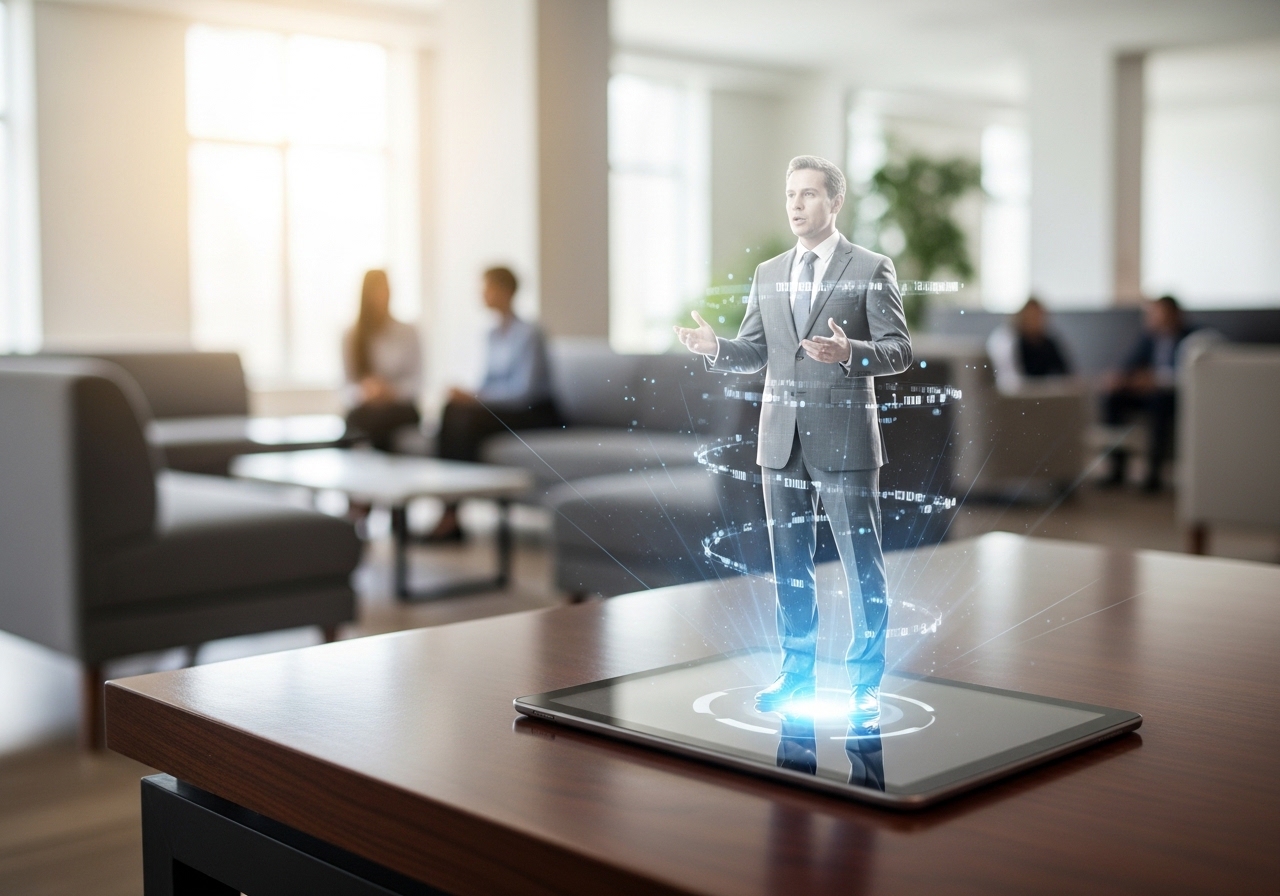
Perhaps the most provocative addition to the suite is the introduction of Personal Avatars. These digital representations allow users to recreate their likeness and voice, enabling the production of personalized video messages without the need for a physical camera or recording studio. By utilizing a brief recording of the user, the AI can generate high-quality video content that maintains the user’s unique appearance and vocal cadence.
This technology aims to solve a common bottleneck in global corporations: the time-consuming nature of video production for internal training and announcements. According to industry experts, the ability to scale human-centric communication through AI digital twins could drastically increase engagement levels compared to traditional email-based communication.
“The democratization of video production means that the ability to tell a compelling story is no longer limited by technical skill or expensive equipment, but by the quality of the idea itself.”
A Competitive Leap in the AI Arms Race
The move is widely seen as a direct response to the rapid advancements made by specialized AI video firms. By embedding these capabilities directly into the workspace environment, the goal is to create a seamless workflow where a project plan can be converted into a polished video presentation with a single prompt. Key features of this update include:
- Multimodal Processing: The Gemini Omni engine allows for faster, more intuitive video editing and generation.
- Voice Synthesis: Users can generate voiceovers in multiple languages while maintaining their own vocal profile.
- Automated Storyboarding: AI-driven templates that suggest visual layouts based on the context of the document.
As these tools become more sophisticated, the line between human-generated and AI-synthesized content will continue to blur. For businesses, this offers an unprecedented opportunity to globalize their messaging, allowing a CEO in New York to deliver a personalized, localized video message to employees in Seoul or Paris with minimal effort.
The Outlook for Digital Workspaces
The evolution of AI video platforms suggests a future where the “video-first” office becomes the standard. While concerns regarding deepfakes and digital authenticity remain, the focus for major tech providers is clearly on productivity and the reduction of creative friction. As the Gemini Omni model matures, we can expect even deeper integration of real-time data into these video streams.
Ultimately, the successful adoption of these tools will depend on how naturally they fit into existing workflows. If AI can truly automate the tedious aspects of video editing while preserving the human element through avatars, the traditional PowerPoint deck may soon become a relic of the past.
작성자 소개