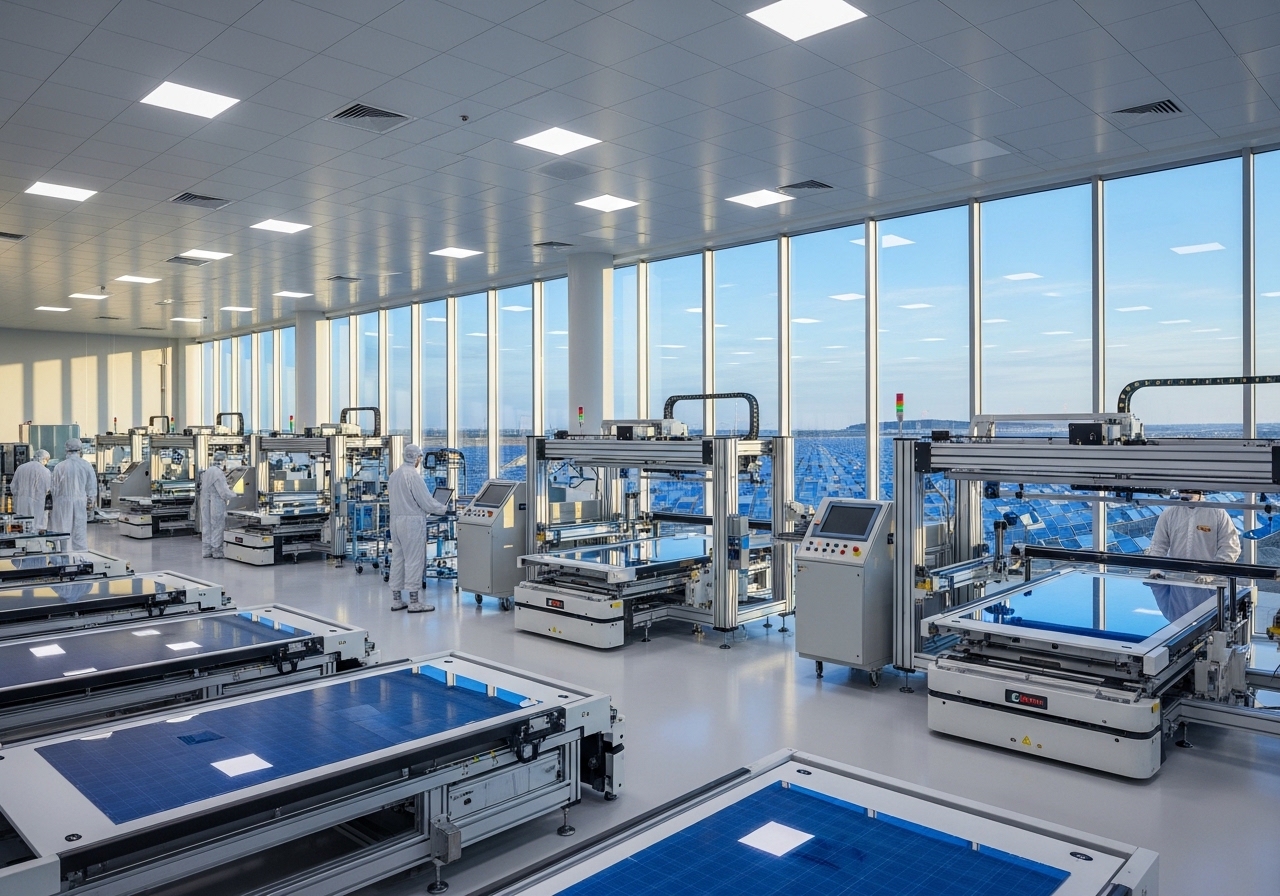
The Great Decoupling: India’s Quest for Solar Self-Sufficiency
For years, India’s ambitious renewable energy targets were tethered to the global supply chain, specifically relying on imported photovoltaic cells to fuel its green revolution. However, a significant paradigm shift is currently underway as the nation transitions from a mere consumer to a formidable manufacturer. This evolution is not just an industrial expansion but a strategic move to ensure energy sovereignty in an increasingly volatile global market.
Current projections indicate that India is on track to reach a staggering 60GW of solar cell production capacity by the 2026-2027 fiscal year. This surge is largely driven by the government’s decision to extend domestic content requirements beyond modules to the cell level. By mandating the use of indigenous components, India is effectively creating a captive market for local manufacturers, fostering a robust domestic ecosystem.
Policy as a Catalyst: Moving Beyond Assembly
Historically, Indian solar companies focused on module assembly, which is the final and least complex stage of production. By pushing the manufacturing mandate further upstream to solar cells, the government is addressing the value-chain gap. This policy shift incentivizes deeper capital investment and technological integration, moving the needle from simple assembly to high-tech fabrication.
“The transition from import-led growth to manufacturing-led sustainability marks a turning point for India’s industrial identity in the 21st century.”
Several factors are converging to accelerate this growth. High import duties on foreign cells and the expansion of the Approved List of Models and Manufacturers (ALMM) have created a protective barrier for nascent domestic industries. This protectionism, while controversial in global trade circles, is viewed locally as a necessary step to build the scale required to compete with established giants.
The Road Ahead: Challenges and Strategic Outlook
Despite the optimistic 60GW forecast, several hurdles remain. The industry must still grapple with the upstream supply of wafers and polysilicon, which remain largely imported. For India to become a truly independent solar hub, it must eventually localize the entire ingot-to-module pipeline to mitigate risks associated with international trade disputes and logistics costs.
- Capacity Growth: Projected to hit 60GW by FY 2027.
- Market Share: Domestic cells are expected to meet nearly 50% of local demand.
- Strategic Goal: Reducing the multi-billion dollar import bill for energy components.
In conclusion, India’s solar sector is entering a golden era of localization. If the current momentum continues, the nation will not only meet its internal climate goals but also emerge as a critical alternative in the global manufacturing strategy. The next three years will be pivotal in determining whether India can successfully bridge the technological gap to become a global leader in renewable exports.
작성자 소개