The Dawn of Scalable Humanoid Labor in Logistics
The recent announcement of Figure AI deploying its humanoid robots to the distribution giant Catalyst Brands signals a paradigm shift in the robotics industry. While the sector has long been dominated by specialized, single-purpose machines, the transition toward general-purpose humanoids entering mass production marks the beginning of a new industrial era.
From an expert analysis perspective, this move is not merely a technical demonstration but a strategic commercial milestone. By integrating these advanced machines into a live supply chain environment, the partnership is validating the Return on Investment (ROI) of humanoid labor in high-throughput settings. This deployment addresses critical labor shortages and the need for 24/7 operational continuity.
Bridging the Gap Between AI and Physical Labor
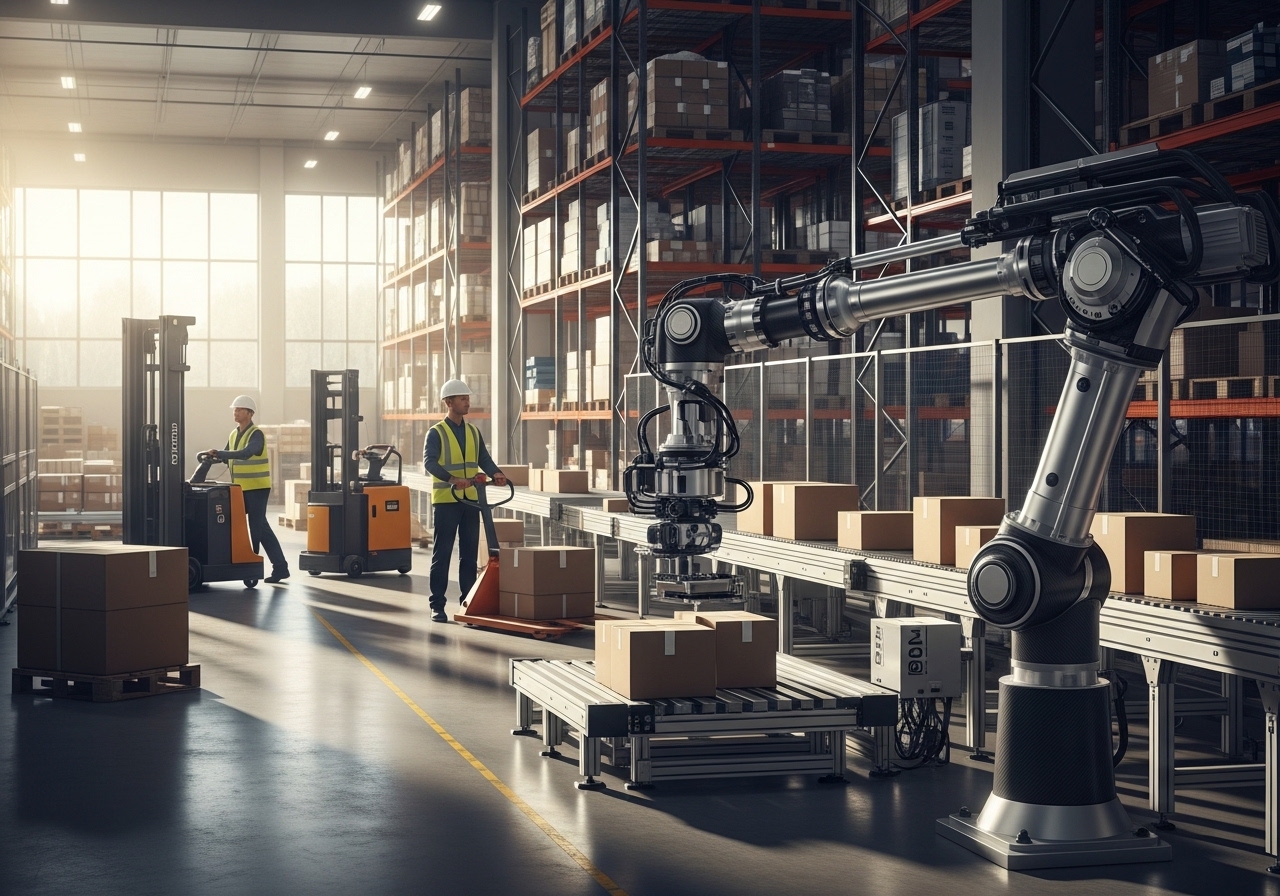
The core of this breakthrough lies in the seamless integration of large-scale neural networks with sophisticated hardware. Unlike traditional automation, these robots utilize vision-based learning to adapt to dynamic warehouse layouts, allowing them to handle varied tasks without the need for rigid reprogramming.
- Autonomous navigation through complex warehouse corridors.
- Precision handling of diverse inventory items and packaging.
- Real-time synchronization with cloud-based logistics management systems.
Experts suggest that the success of this partnership will serve as a blueprint for other sectors, including manufacturing and retail. The ability of a humanoid to operate within infrastructure designed for humans—without requiring expensive facility modifications—provides a significant competitive advantage over traditional stationary automation.
“The deployment at Catalyst Brands proves that the ‘humanoid-as-a-service’ model is no longer a futuristic concept, but a tangible solution for the modern supply chain.”
Strategic Implications for the Global Robotics Race
As competition intensifies among tech giants and specialized startups, the focus is shifting from what a robot can do to how many robots can be deployed effectively. The ability to move into a large-scale deployment phase positions the industry to finally colonize the industrial labor market, which has remained largely manual until now.
Looking ahead, the primary challenge will be maintaining reliability across thousands of units in diverse environments. However, if this deployment meets its performance benchmarks, we can expect a rapid acceleration in the adoption of humanoid fleets across the global logistics landscape by the end of the decade.
작성자 소개