The Fragile Recovery: Energy Shocks as a Global Headwind
The Organization for Economic Cooperation and Development (OECD) has issued a stern warning regarding the global economic outlook, identifying escalating tensions in the Middle East as the single most significant variable for the coming year. While many developed economies were beginning to signal a ‘soft landing,’ the threat of a renewed energy shock has effectively brought the specter of stagflation back to the forefront of international policy discussions.
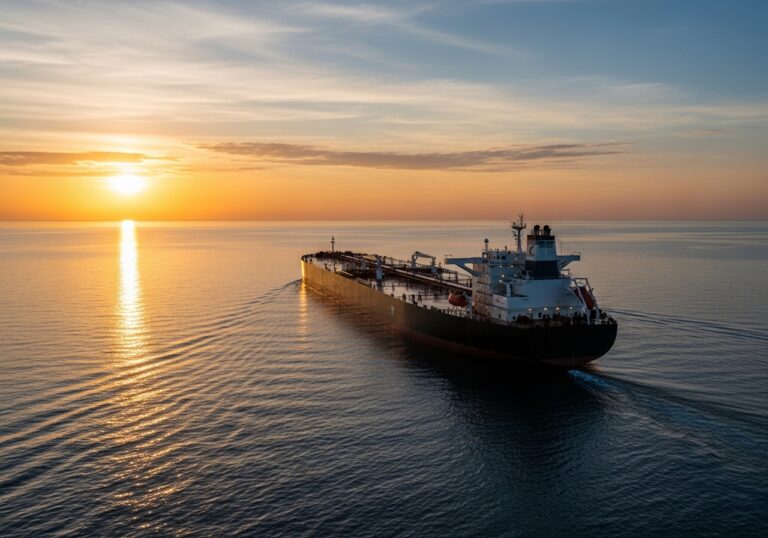
Expert analysis suggests that the global economy is currently navigating a precarious transition period. The OECD’s latest projections highlight that any sustained disruption to oil and gas supply routes could lead to an immediate spike in production costs. This would not only dampen industrial output but also force consumer prices higher at a time when central banks are desperate to begin interest rate cuts.
The Return of the Stagflation Shadow
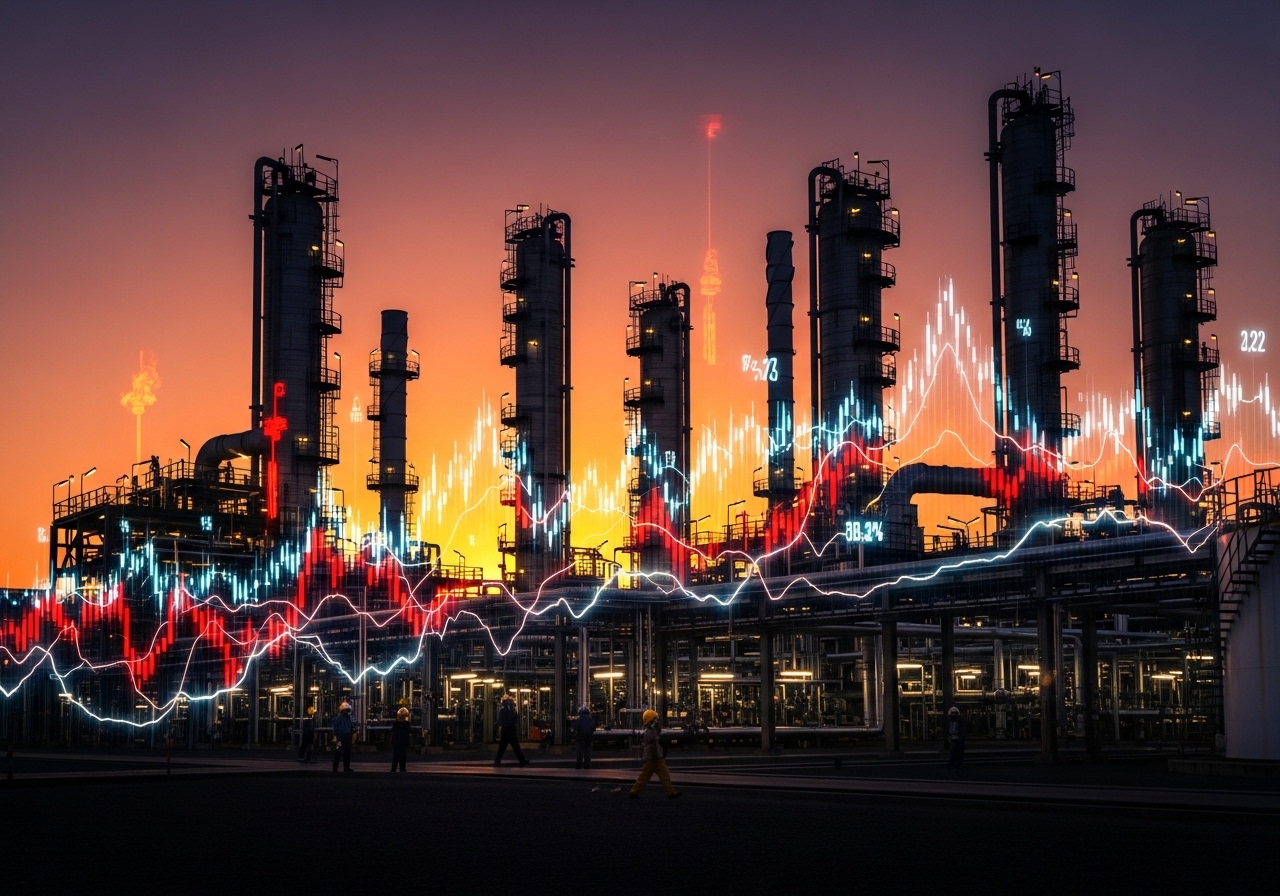
The core concern for economists is the structural nature of the current inflationary pressure. Unlike the demand-driven inflation seen during the post-pandemic recovery, an energy-led surge is inherently supply-side driven. This creates a policy dilemma: raising rates to fight inflation further stifles growth, while lowering them to support the economy could let inflation run rampant. This ‘stagflationary trap’ is exactly what the OECD fears could derail the 2024-2025 fiscal targets.
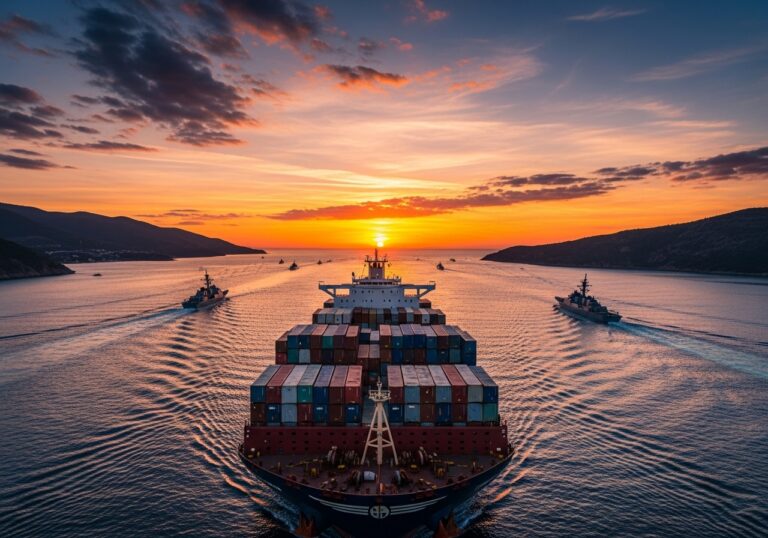
According to recent data, the correlation between Middle Eastern geopolitical stability and global shipping costs has tightened. The OECD notes that the increased costs of maritime logistics and insurance premiums are already being felt across European and Asian markets. If these costs are permanently integrated into the supply chain, the baseline for global inflation will shift upward, regardless of domestic monetary policy.
Strategic Implications for Global Markets
- Energy Diversification: Nations must accelerate their transition to alternative energy sources to mitigate the impact of fossil fuel volatility.
- Supply Chain Resilience: Corporations are being urged to ‘friend-shore’ or ‘near-shore’ their operations to avoid transit chokepoints.
- Monetary Flexibility: Central banks may need to adopt a more ‘hawkish’ patience, delaying anticipated rate cuts until energy markets stabilize.
From an analytical perspective, the OECD’s report serves as a wake-up call for investors who have been overly optimistic about a quick return to 2% inflation targets. The geopolitical premium on energy is no longer a temporary fluctuation but a structural reality that requires a fundamental shift in risk management strategies.
“The intersection of energy security and monetary stability has never been more critical. The global economy’s reliance on stable energy corridors remains its greatest vulnerability.”
In conclusion, the path forward remains clouded by uncertainty. While global trade has shown remarkable resilience in the face of previous shocks, a prolonged conflict or disruption in the Middle East could trigger a synchronized global slowdown. Policymakers and market participants must now prepare for a high-volatility environment where energy prices dictate the pace of economic recovery.
작성자 소개