The Architect of a New Industrial Era
Speculation regarding a potential merger between the world’s leading electric vehicle manufacturer and the dominant private aerospace firm has reached a fever pitch. Market analysts are increasingly viewing the prospect of a SpaceX-Tesla unification not merely as a financial consolidation, but as the birth of a multidimensional AI powerhouse. Such an entity could command a market valuation exceeding $3 trillion, fundamentally altering the global technological landscape.
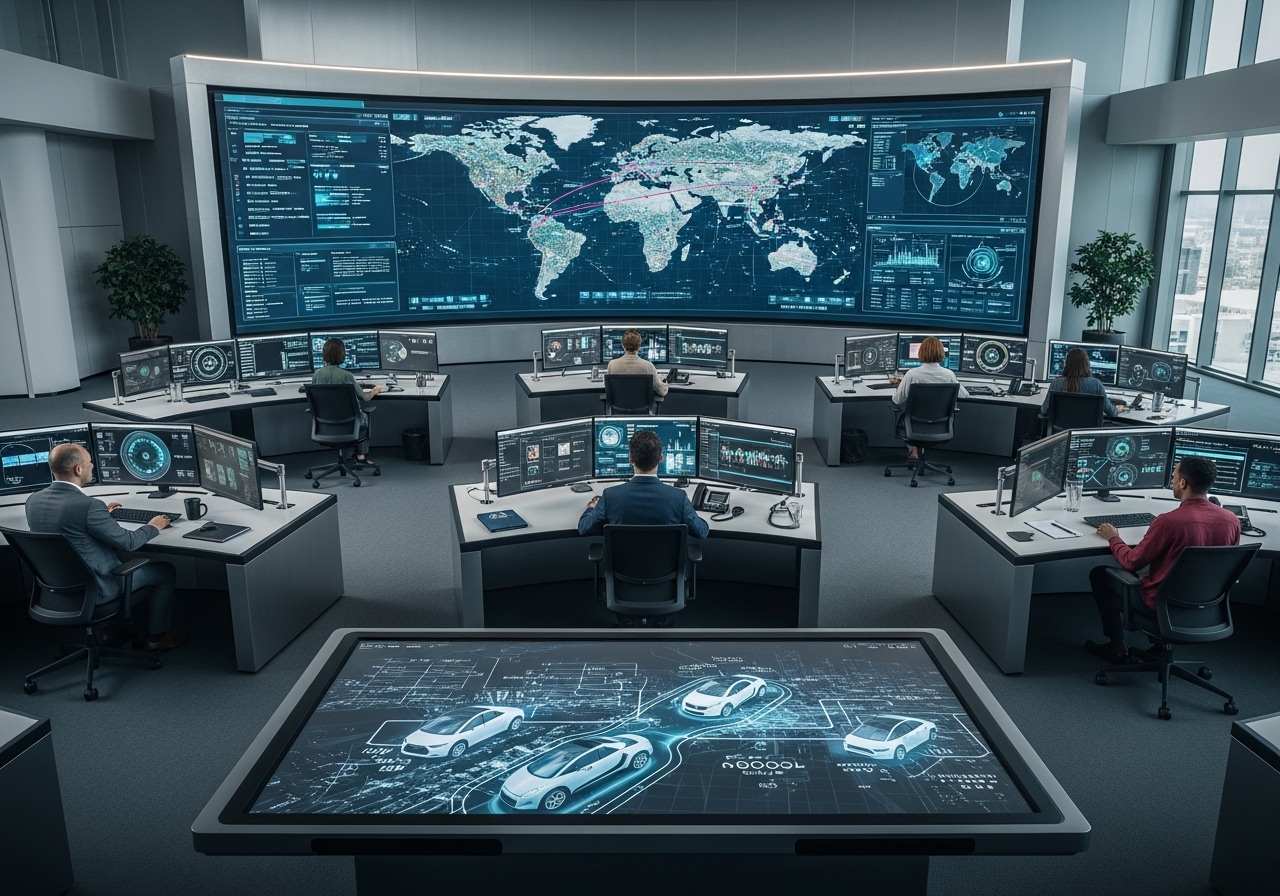
From an expert perspective, the synergy between these two giants centers on the uninterrupted flow of data. Tesla’s fleet of millions of vehicles serves as a massive data-collection engine for real-world AI training. Meanwhile, SpaceX’s Starlink provides the global high-speed connectivity required to process and transmit this data in real-time, even in the most remote corners of the planet.
The Strategic Synergy of Hardware and Intelligence
The core of this potential merger lies in the vertical integration of Artificial Intelligence and Edge Computing. Tesla is currently pivoting from being a pure automaker to an AI and robotics firm, as seen with the development of the Optimus humanoid robot. By leveraging SpaceX’s orbital infrastructure, these robotic systems could theoretically operate with low-latency global synchronization, creating a unified ecosystem that rivals the reach of traditional big tech conglomerates.
Furthermore, the financial implications of such a merger are staggering. A unified balance sheet would allow for unprecedented capital allocation toward high-risk, high-reward projects like Mars colonization or autonomous transport networks.
“The convergence of orbital connectivity and terrestrial automation represents the ultimate frontier of the modern digital economy,”
notes a leading industry strategist. This alignment would likely force competitors in both the automotive and aerospace sectors to radically rethink their long-term strategies.
Navigating Regulatory and Structural Hurdles
Despite the compelling strategic narrative, significant obstacles remain. The regulatory scrutiny surrounding such a massive consolidation would be intense, with anti-trust regulators likely raising concerns over market dominance. Additionally, the complex ownership structures and disparate missions of the two companies—one public and one private—present a logistical challenge that could take years to resolve.
In conclusion, while the path to a formal merger is fraught with legal and financial complexities, the technological momentum toward integration is undeniable. Whether through a formal acquisition or deeper strategic partnerships, the fusion of space-based infrastructure and terrestrial AI is set to define the next decade of innovation. Investors and industry leaders must prepare for a future where the boundaries between space, transport, and intelligence are permanently blurred.
작성자 소개