The Strategic Integration of AI in South Korean Robotics
NVIDIA’s recent initiatives to embed its AI architecture within the South Korean robotics ecosystem represent a pivotal shift in the global technological landscape. This move transcends simple component supply, aiming instead to establish a comprehensive software-defined foundation for autonomous machines.
By leveraging its proprietary AI models and simulation platforms, the tech giant is effectively providing the neural framework for Korea’s burgeoning robotics industry, which has long been recognized for its hardware excellence but has sought a more robust software integration to compete on a global scale.
The Isaac and Omniverse Synergy
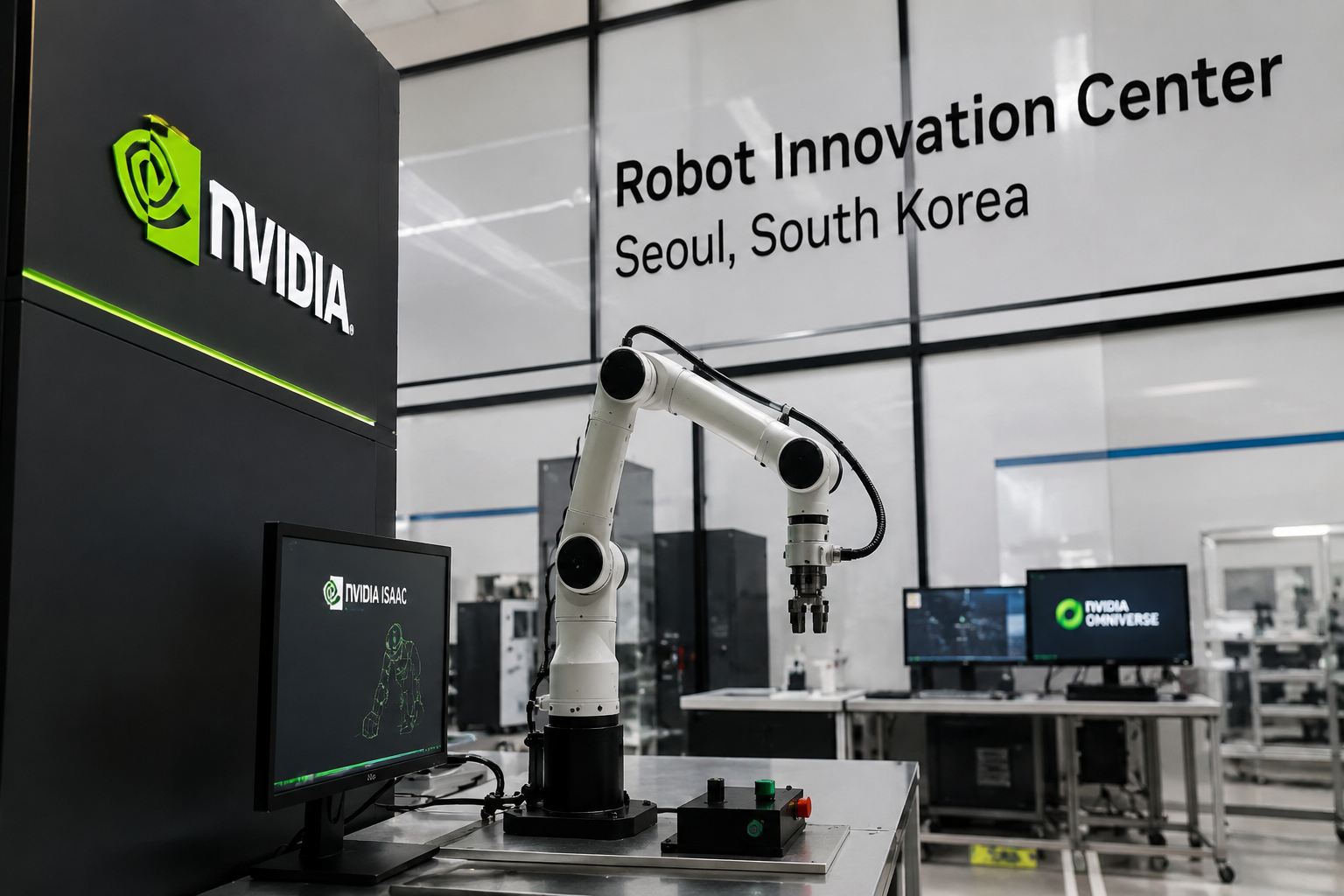
The core of this expansion revolves around the NVIDIA Isaac platform and the Omniverse digital twin environment. These tools allow Korean developers to create hyper-realistic simulations where robots can learn, iterate, and fail in a virtual space before ever touching a physical factory floor.
Industry analysts point out that this “simulation-first” approach drastically reduces development costs and time-to-market. For a nation like South Korea, which boasts one of the highest densities of industrial robots per capita, the ability to upgrade these machines with generative AI capabilities is a transformative game-changer for productivity.
A New Era of Human-Robot Collaboration
- Autonomous Navigation: Enhanced edge computing for real-time obstacle avoidance in complex environments.
- Predictive Maintenance: AI-driven diagnostics to prevent assembly line downtime before it occurs.
- Adaptive Learning: Machines that can master new tasks through visual observation rather than rigid manual coding.
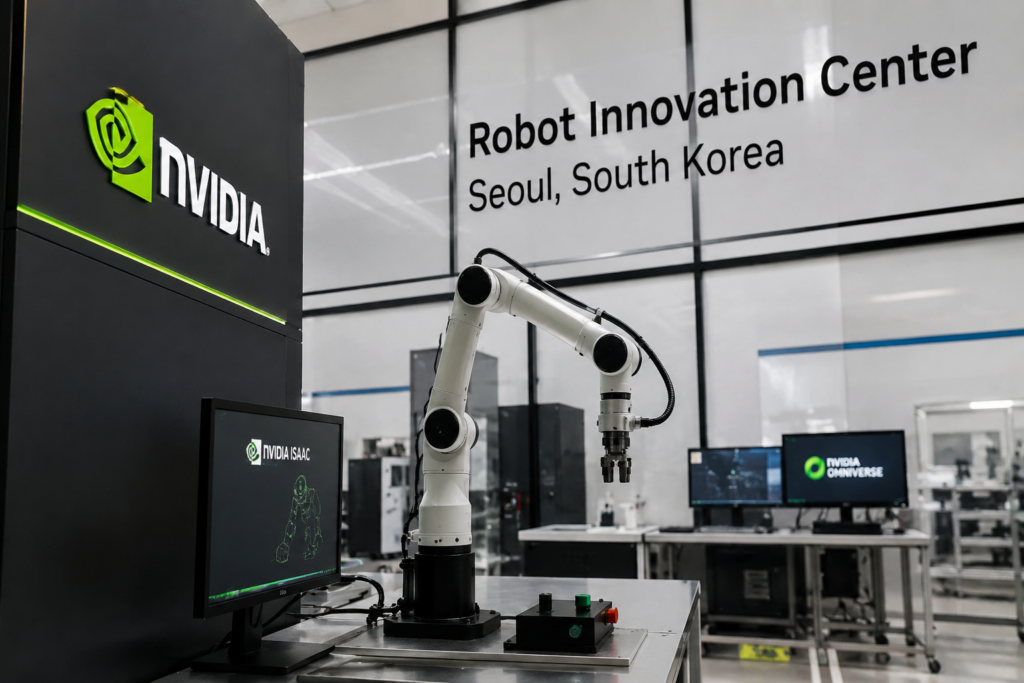
This strategic alliance is not merely about operational efficiency; it is about technological sovereignty in the AI era. As global supply chains become increasingly complex, the integration of advanced neural networks into physical labor ensures that South Korea remains a dominant force in the high-tech export market.
“The partnership between Silicon Valley’s computational power and East Asia’s manufacturing prowess is creating a new blueprint for the Fourth Industrial Revolution,” states a leading technology consultant.
Conclusion: Cultivating a Global Standard
Looking forward, the planting of these AI “seeds” in the Korean peninsula is expected to yield a sophisticated ecosystem of intelligent automation. As these technologies mature, we can expect to see a ripple effect across the automotive, semiconductor, and healthcare sectors, solidifying a future where AI and robotics are indistinguishable components of the modern economy.
작성자 소개