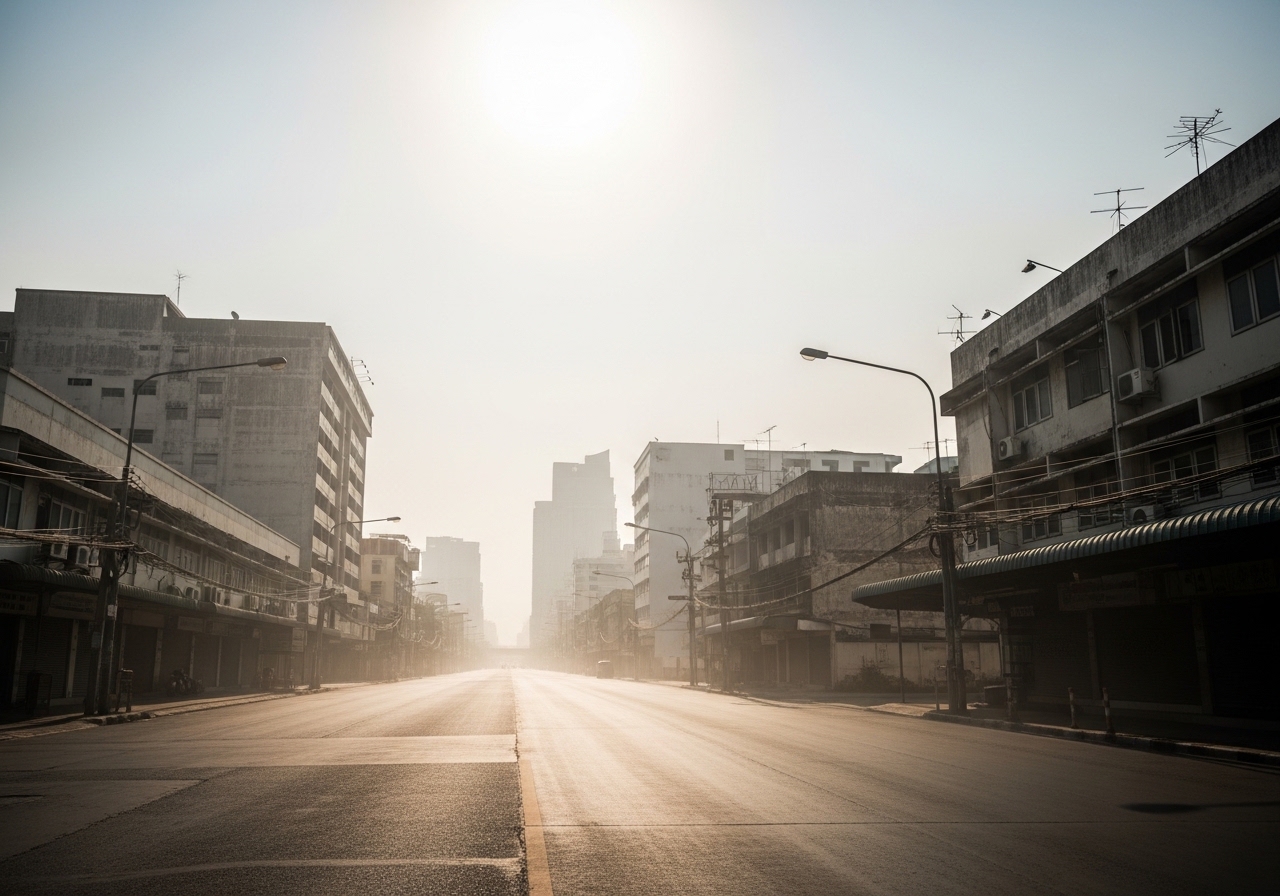
Northern and Central Vietnam are currently experiencing a severe thermal anomaly, with temperatures soaring to nearly 39 degrees Celsius. This intense heatwave is not merely a seasonal peak but represents a significant escalation in regional climate volatility. Meteorological experts note that the perceived temperature, influenced by high humidity levels, is significantly higher, creating hazardous conditions for the general population.
The current weather pattern is characterized by a persistent high-pressure system that has stalled over the Indochinese Peninsula. This atmospheric stagnation prevents cooler air masses from circulating, effectively trapping heat near the surface. Analysts suggest that this phenomenon is being amplified by the lingering effects of global climate change and shifting oceanic currents that influence mainland weather patterns.
From an infrastructural perspective, this extreme heat poses a direct threat to Vietnam’s energy security. As the demand for air conditioning and industrial cooling reaches record levels, the national power grid faces immense pressure. Experts warn that unless demand-side management is strictly enforced, the risk of localized power outages and transformer failures remains high during peak sunlight hours.
The agricultural sector is also on high alert as the heatwave threatens to deplete water reservoirs critical for irrigation. Soil moisture levels are dropping rapidly in central provinces, which could lead to reduced crop yields if the dry spell continues. This economic ripple effect highlights the vulnerability of Vietnam’s primary industries to extreme weather events that were once considered rare but are now becoming frequent.
Key Factors Driving the Heatwave
- Subtropical High Pressure: A dominant high-pressure ridge preventing cloud formation and cooling.
- Urban Heat Island Effect: Densely populated cities like Hanoi are retaining heat due to concrete and lack of green space.
- Atmospheric Moisture: High humidity levels preventing natural evaporative cooling for humans and livestock.
Public health officials have issued urgent advisories, particularly for outdoor laborers and the elderly. The combination of high ambient heat and physical exertion can lead to heat exhaustion or heatstroke within a very short window of exposure. Experts emphasize the need for “cooling centers” and modified work schedules to mitigate the health risks associated with this 39-degree threshold.
“The frequency and intensity of these heat events serve as a critical wake-up call for urban planning and climate adaptation strategies across Southeast Asia.”
Looking ahead, the outlook remains challenging as long-term climate models suggest that these heatwaves will become more prolonged. Vietnam must prioritize resilient infrastructure and sustainable water management to navigate this new thermal reality. The current crisis is a clear indicator that climate mitigation is no longer a future concern but an immediate economic and social necessity.
작성자 소개