The global retail landscape is undergoing a seismic shift as Korean beauty products, once considered a niche category, have emerged as the primary growth engine for major international distributors. This phenomenon, often referred to as the “K-Beauty Wave,” is no longer just a cultural export but a critical financial pillar that is reshaping how department stores and beauty retailers allocate their shelf space and marketing budgets.
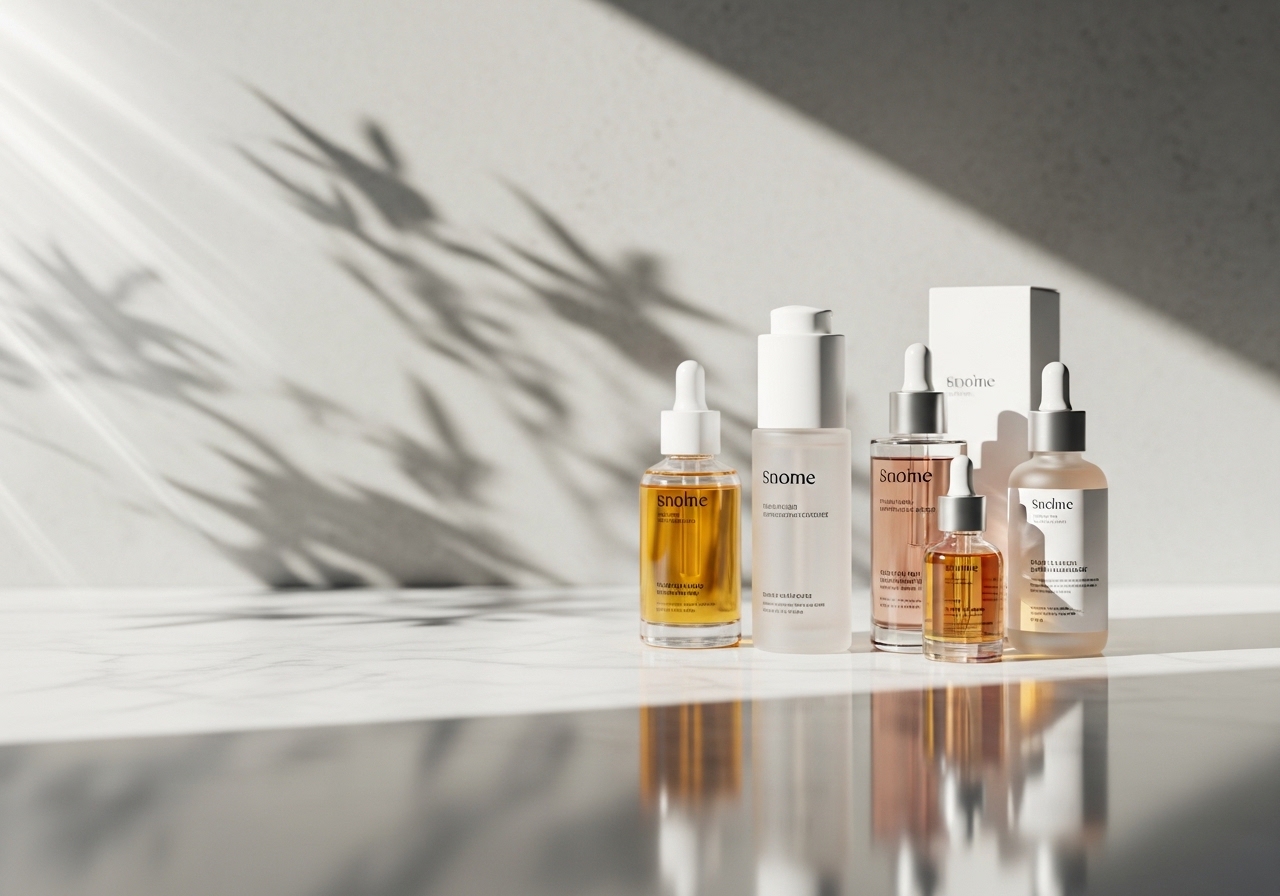
Recent market data suggests that the demand for innovative skincare formulations and “glass skin” aesthetics has transcended demographic boundaries. Retailers in North America and Europe are reporting record-breaking sales figures driven by K-beauty brands, prompting a strategic pivot toward curated Asian beauty sections that prioritize functional ingredients and holistic wellness over traditional luxury branding.
One of the most significant trends within this sector is the rise of independent indie brands. Unlike the massive conglomerates that dominated the past decade, these agile startups leverage social media and direct-to-consumer models to respond instantly to consumer feedback. This agility has forced traditional retail giants to rethink their procurement strategies, focusing more on authenticity and ingredient transparency.
The Structural Evolution of Beauty Distribution
The integration of K-beauty into mainstream retail has also led to a technological revolution in the shopping experience. From AI-driven skin analysis tools to hyper-personalized product recommendations, the high-tech nature of Korean cosmetics is pushing global retailers to upgrade their digital and physical infrastructure. This synergy between technology and aesthetics is setting a new standard for the industry.
“The modern consumer no longer buys a brand; they buy a solution. K-beauty has mastered the art of providing high-performance solutions at an accessible price point, forcing the entire retail sector to adapt or be left behind.”
Key Drivers of the K-Beauty Expansion
- Ingredient Innovation: The use of unique components like snail mucin, centella asiatica, and fermented extracts that offer visible results.
- Price Accessibility: High-performance products offered at a competitive price compared to traditional Western luxury brands.
- Cultural Influence: The global popularity of Korean entertainment acting as a powerful soft power catalyst for consumer goods.
Looking ahead, the influence of K-beauty is expected to expand into the wellness and inner beauty sectors. As the line between skincare and health continues to blur, retailers that successfully integrate these “inside-out” beauty philosophies will likely dominate the market for years to come. The era of K-beauty as a fleeting trend is over; it has officially become an essential industry standard for the global retail economy.
작성자 소개