The Strategic Calculus Behind the US-Iran Ceasefire Extension
The reported extension of the ceasefire between the United States and Iran marks a critical, albeit precarious, juncture for international diplomacy. While the immediate cessation of hostilities provides a much-needed reprieve for regional stability, expert analysts suggest this move is less about a permanent peace and more about a tactical realignment of interests amid shifting global priorities.
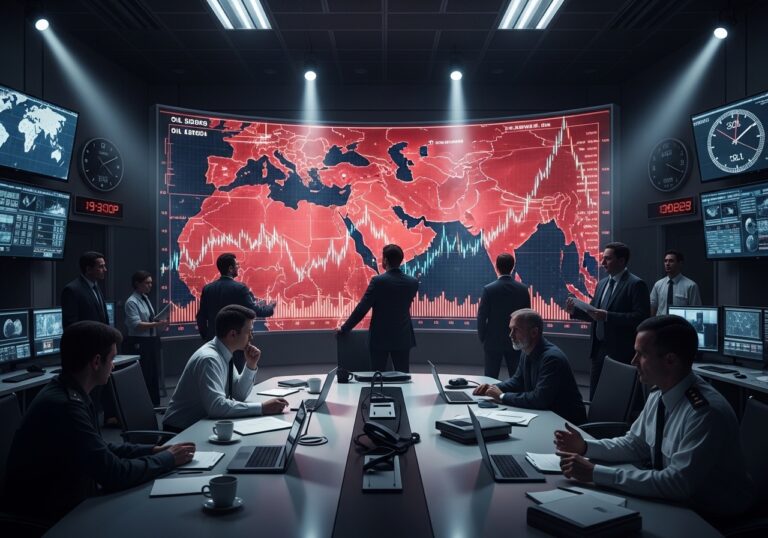
From a macroeconomic perspective, the stabilization of this corridor is vital for maintaining the flow of global energy supplies. The threat of a broader conflict has historically sent shockwaves through the crude oil markets, and this extension serves as a cooling mechanism for volatile pricing trends that have plagued the post-pandemic recovery.
Market Reactions and the Energy Sector
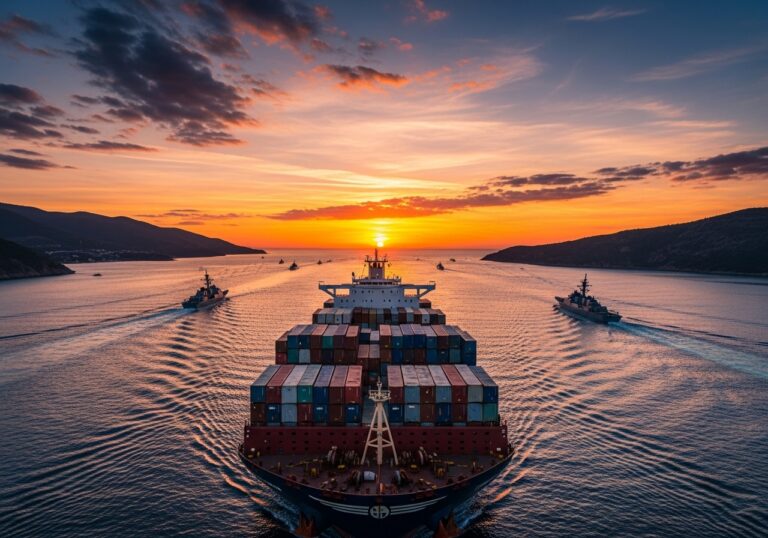
Investors have responded with cautious optimism, as the de-escalation reduces the immediate risk of maritime disruptions in the Strait of Hormuz. However, the underlying tensions remain unresolved, leading many to view the current situation as a “fragile calm” that could be shattered by a single diplomatic misstep or a localized provocation.
The ripple effects of this truce extend far beyond the Middle East. Global supply chains, already under pressure from various geopolitical flashpoints, rely heavily on the predictability of this region. A sustained pause in hostilities allows for a recalibration of risk premiums in the shipping and insurance industries, which are essential for keeping inflation in check across Western economies.
“The extension is a temporary bandage on a deep-seated geopolitical wound; while it prevents immediate hemorrhage, the long-term structural issues of regional hegemony and nuclear proliferation remain unaddressed.”
Looking Ahead: A New Status Quo?
As we look toward the final quarter of the year, the focus shifts to whether this diplomatic breathing room can be converted into a more robust framework for regional security. Major powers are closely monitoring the situation, as any shift in the US-Iran dynamic will inevitably force a re-evaluation of defense spending and trade alliances throughout Eurasia.
In conclusion, the global economy stands at a crossroads. While the ceasefire extension offers a strategic buffer, the path to a truly stable market environment requires more than just the absence of war. It demands a proactive restructuring of energy dependencies and a commitment to multilateral dialogue that transcends the current cycle of escalation and retreat.
작성자 소개