The Geopolitical Catalyst for Energy Transformation
Three months into the escalating friction between the United States and Iran, the global energy discourse has shifted from temporary price fluctuations to a fundamental questioning of hydrocarbon dependency. While traditional analysis focuses on the immediate impact on Brent crude, a more significant trend is emerging: the systemic erosion of the fossil fuel era’s dominance.
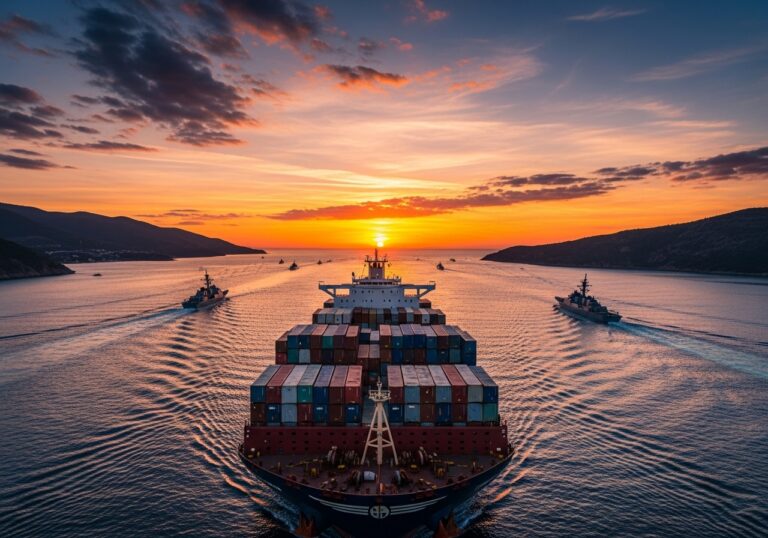
Expert observers note that the persistent instability in the Middle East is acting as a green accelerator. As the risks associated with maritime chokepoints and regional skirmishes rise, the strategic value of localized, renewable energy sources has never been higher. This conflict is effectively pricing in the hidden costs of geopolitical vulnerability.

Strategic Decoupling and National Security
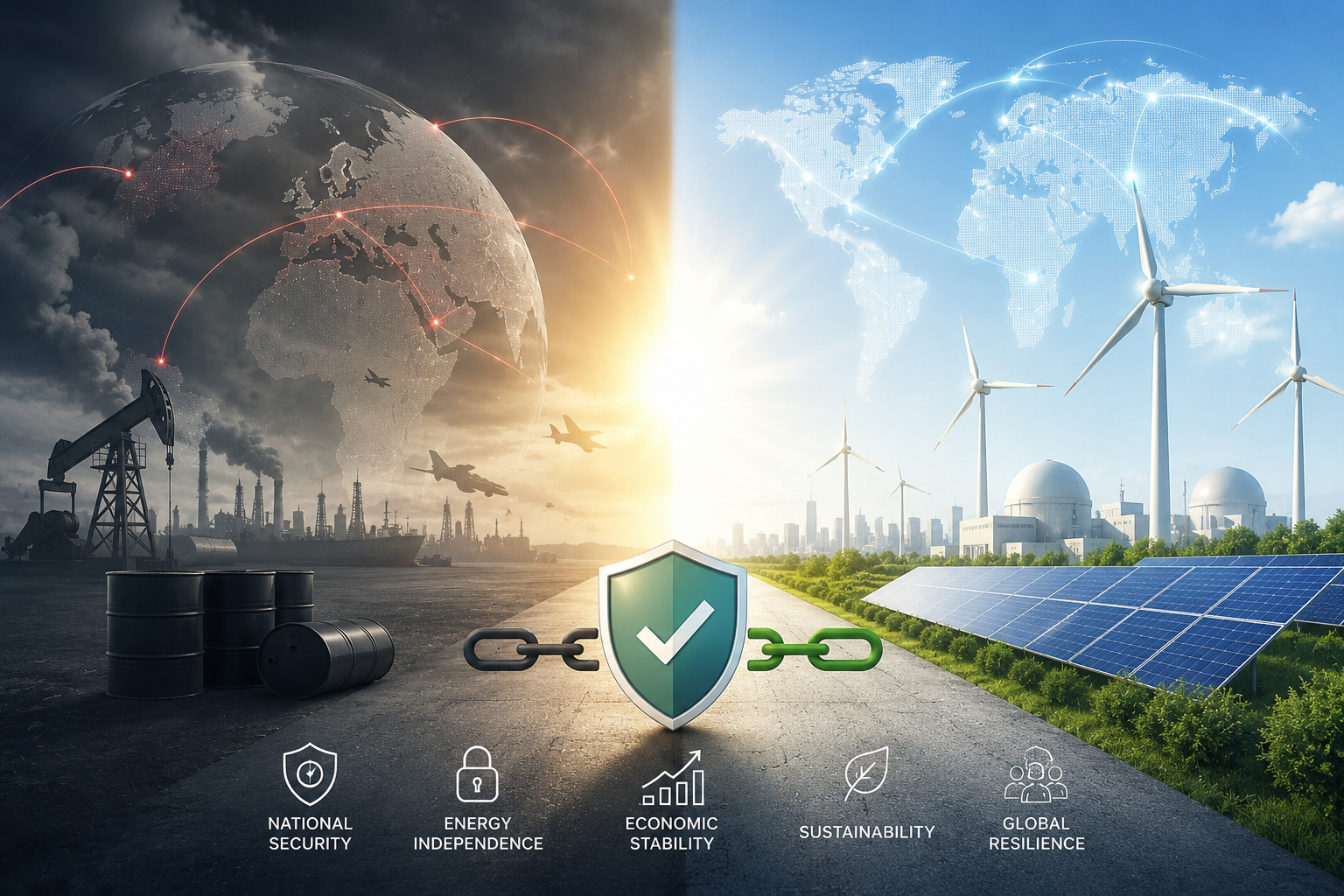
The current standoff has exposed the inherent fragility of global supply chains that rely on singular geographic regions. For many sovereign states, the transition to wind, solar, and nuclear power is no longer just an environmental goal; it is a national security mandate. The goal is to decouple economic stability from the volatile politics of oil-producing regions.
Furthermore, the financial sector is responding to this “geopolitical risk premium” by shifting capital toward more resilient infrastructure. The long-term viability of massive fossil fuel projects is being scrutinized under a new lens of geopolitical sustainability, leading to a noticeable cooling in long-cycle oil investments.
Conclusion: A Permanent Shift in the Global Power Balance
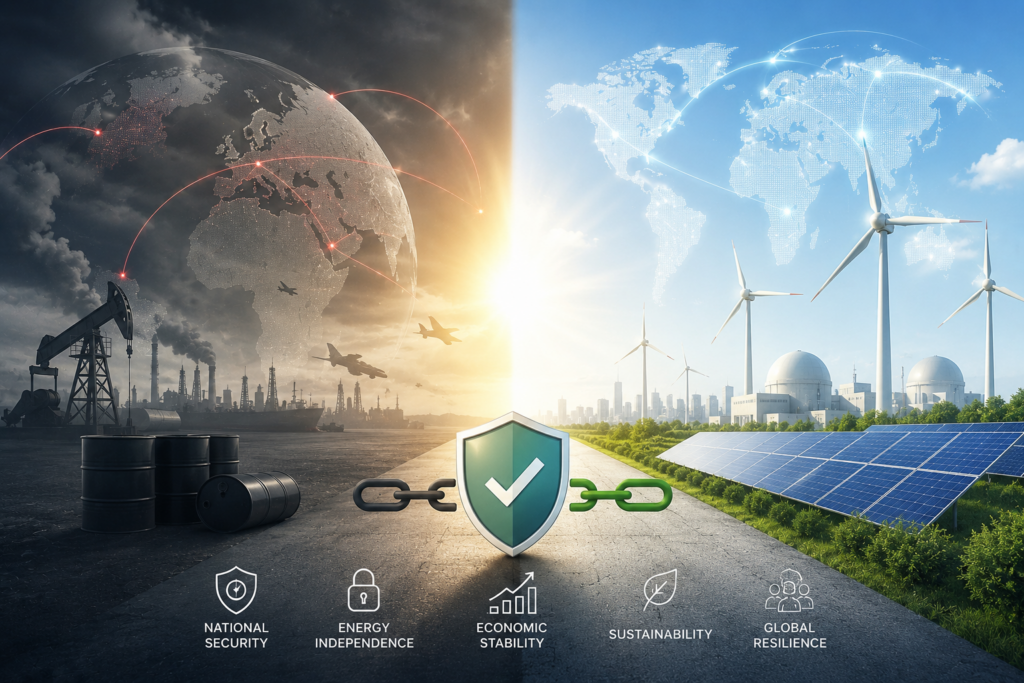
The three-month milestone of the US-Iran conflict may well be remembered as the point where the cracks in the fossil fuel foundation became irreparable. As nations prioritize energy independence to insulate themselves from foreign conflicts, the transition to a post-carbon world is gaining irreversible momentum.
The era of hydrocarbon hegemony is giving way to a more decentralized and secure energy future. This shift is not merely a reaction to war, but a calculated move toward a resilient global economy that no longer hinges on the stability of a single region.
작성자 소개