
The Paradigm Shift: From Language Models to Autonomous Coding Agents
The global artificial intelligence landscape is undergoing a fundamental transformation as competition shifts from large language model (LLM) performance to the development of integrated coding agents. OpenAI has recently accelerated this transition by deeply embedding its specialized Codex model into the ChatGPT ecosystem, signaling a move toward autonomous software development environments that transcend simple chat interfaces.
Unlike traditional AI assistants that merely provide code snippets in response to prompts, these new autonomous agents possess the capability to analyze complex programming tasks, execute logic, and manage entire workflows independently. This evolution marks a significant departure from knowledge retrieval toward a platform-centric approach where AI functions as an active participant in the development lifecycle rather than a passive tool.
The Battle for Workflow Dominance
Industry analysts observe that the era of competing solely on parameter counts is being replaced by a battle for workflow dominance. Major technology firms are now prioritizing the creation of ecosystems that provide seamless end-to-end support for developers. The primary objective is to offer a comprehensive environment where AI handles everything from initial drafting to real-time debugging and final deployment.
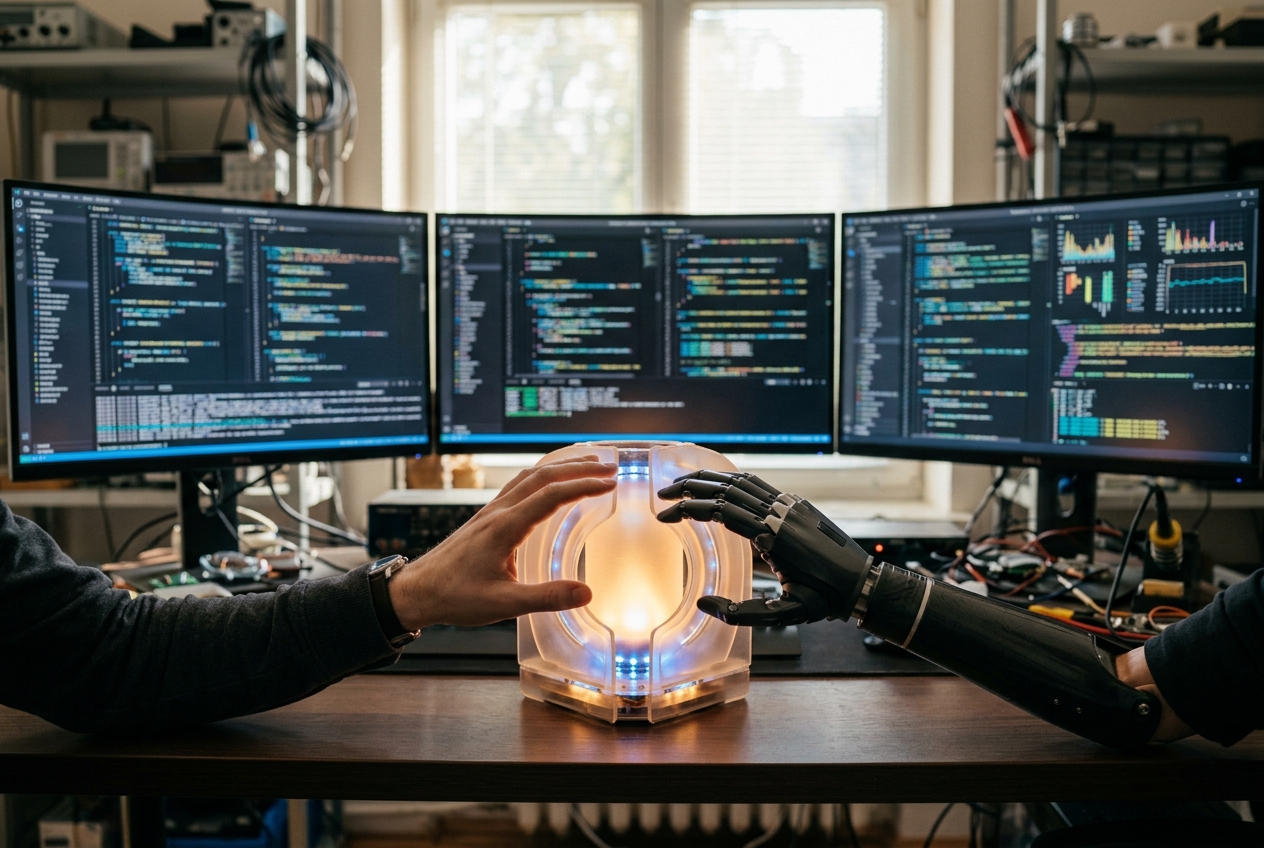
The impact on the Software Development Life Cycle (SDLC) is expected to be profound. By automating repetitive tasks such as unit testing and documentation, coding agents allow human engineers to focus on high-level architecture and creative problem-solving. This synergy between human intuition and machine efficiency is poised to redefine productivity standards across the global tech industry in the coming years.
“The future of software engineering lies not in AI replacing developers, but in AI agents becoming indispensable partners that understand system architecture and collaborate proactively within teams.”
Global Competition and the Open Source Response
- Platform Integration: Leading tech organizations are merging autonomous coding models with cloud infrastructure to create unified development hubs.
- API Ecosystem Expansion: Efforts are doubling to provide third-party developers with the tools needed to build custom agents on top of existing proprietary models.
- Open Source Resilience: Independent communities are rapidly developing vendor-neutral frameworks to ensure that agentic technology remains decentralized and accessible.
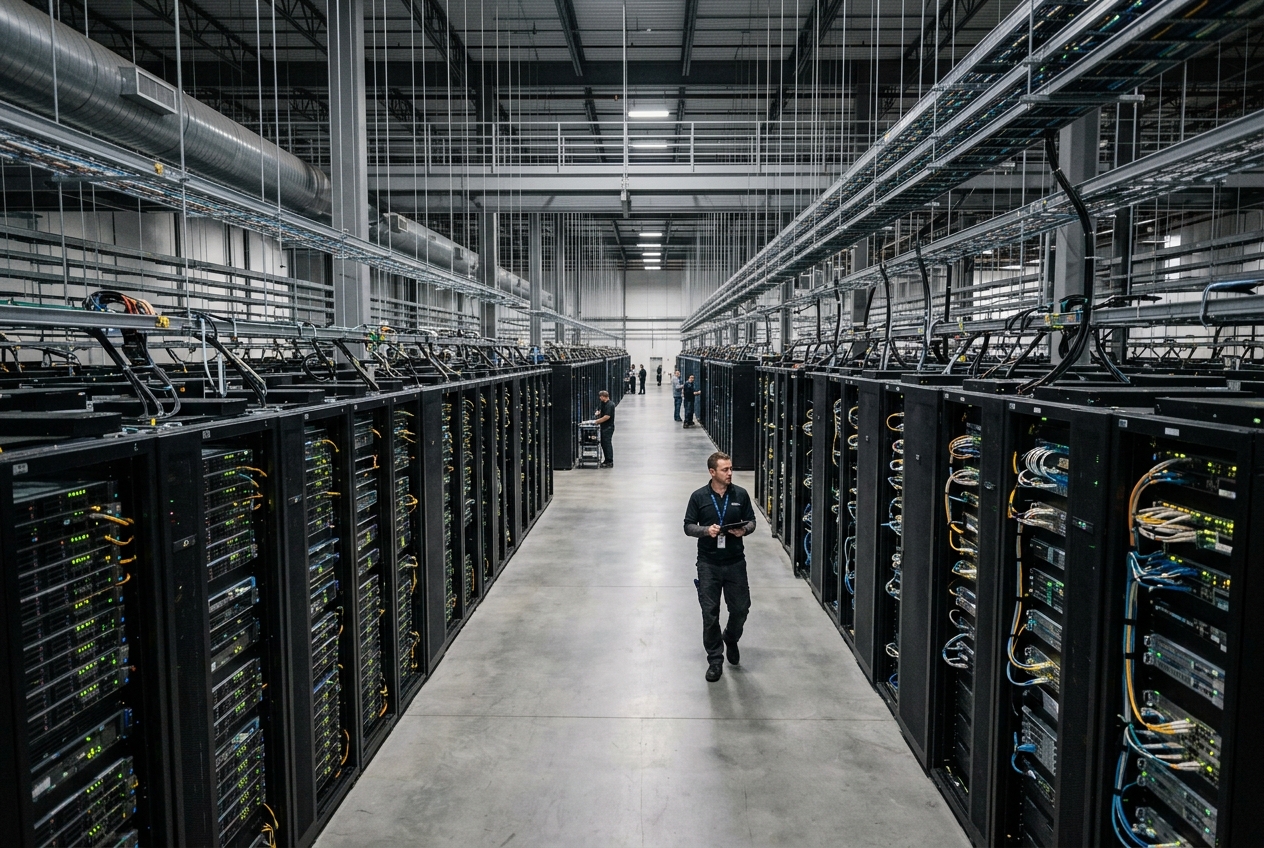
Ultimately, the race to build the most effective agent platform will determine the next leader of the AI era. As these tools move from simple assistants to autonomous collaborators, the boundary between human-written and machine-generated software will continue to blur. This shift is expected to usher in a new age of accelerated digital innovation where the speed of software deployment is limited only by the quality of high-level human design.
작성자 소개