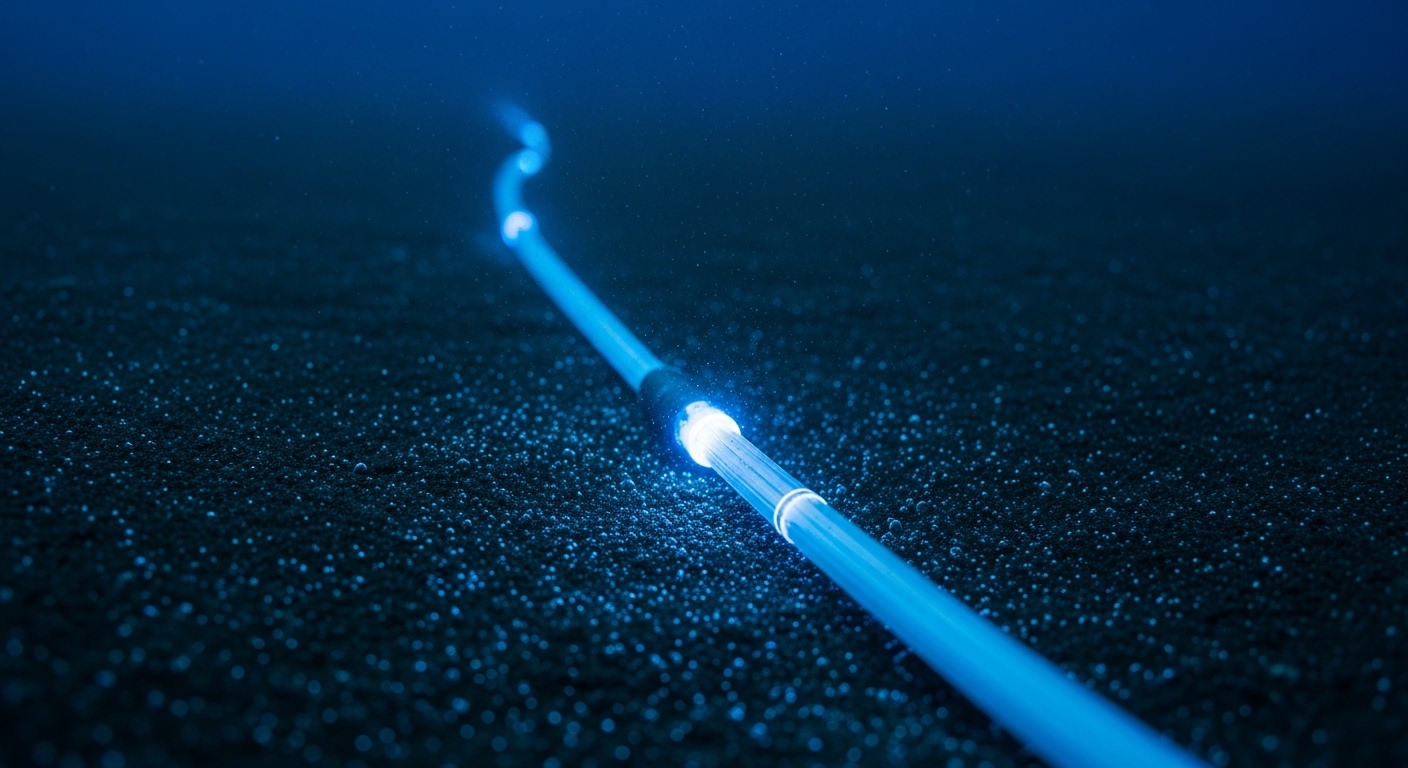
The global rise of K-pop has transformed from a regional trend into a digital revolution, heavily reliant on the invisible arteries of the internet: submarine fiber-optic cables. While fans focus on the performers, this specialized technical infrastructure allows for the simultaneous transmission of high-definition content to millions of viewers across continents.
As live streaming becomes the primary medium for cultural consumption, the demand for stable, high-capacity networks has reached an all-time high. These underwater networks serve as the backbone of the 초연결 (hyper-connected) era, ensuring that the energy of a live performance in Seoul reaches a fan in London or New York with minimal delay.
Technical Superiority Over Satellite Transmission
Historically, international broadcasts relied on satellite links, which often suffered from significant latency due to the distance signals had to travel to space and back. Today, over 95% of international data traffic is carried via subsea cables. This transition provides the ultra-low latency required for 4K and 8K video streaming without the buffering issues associated with traditional methods.
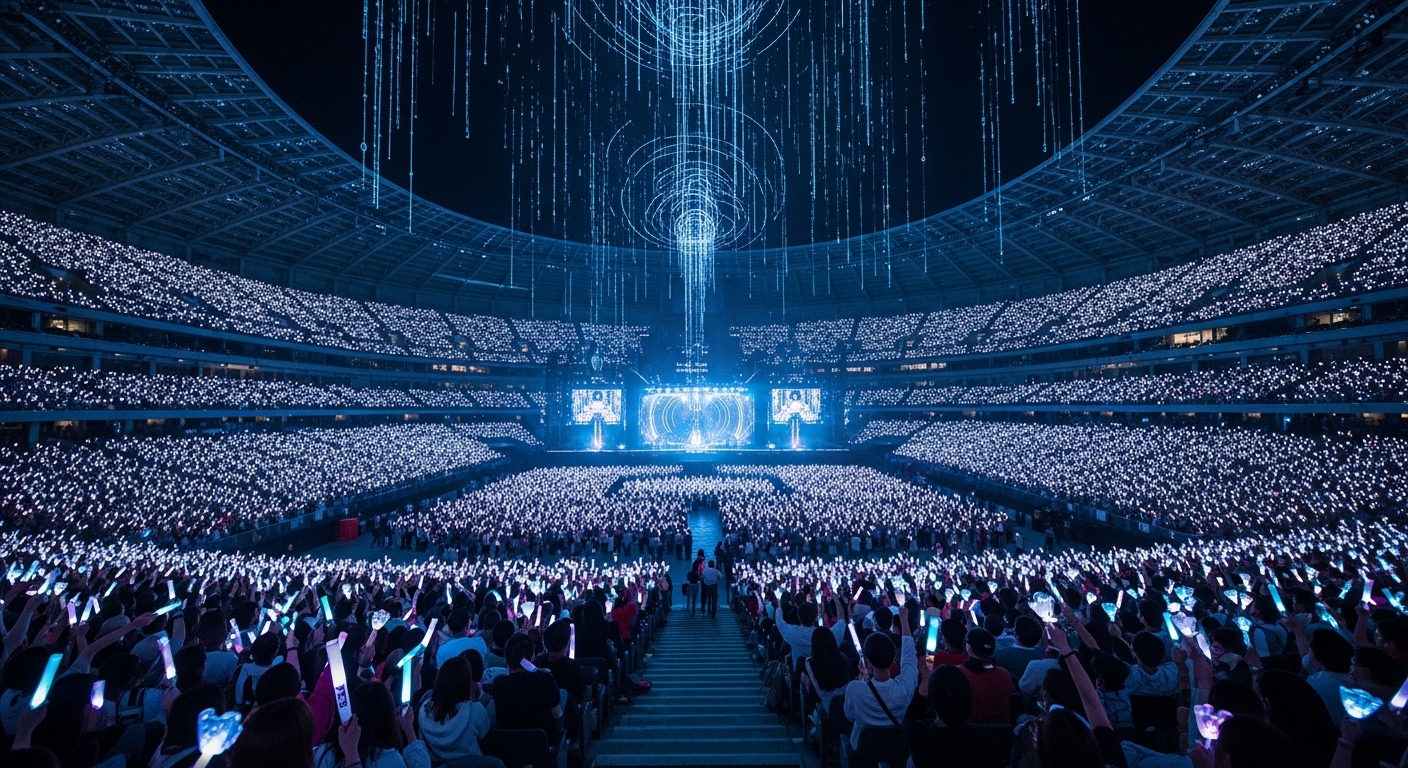
For interactive live concerts, this low latency is indispensable. When artists engage with fans through real-time comments or video calls, the bi-directional communication must be instantaneous. Without the massive bandwidth of underwater fiber, these immersive fan experiences would be technically impossible during peak traffic hours when millions of users connect simultaneously.
Strategic Infrastructure and Big Tech Investment
Global technology giants are now bypassing traditional carriers by investing directly in their own subsea networks to strengthen their Content Delivery Networks (CDN). This move secures service continuity and significantly reduces operational costs. By owning the physical lines, these companies ensure they can handle the projected surge in data from emerging AI and virtual reality technologies.
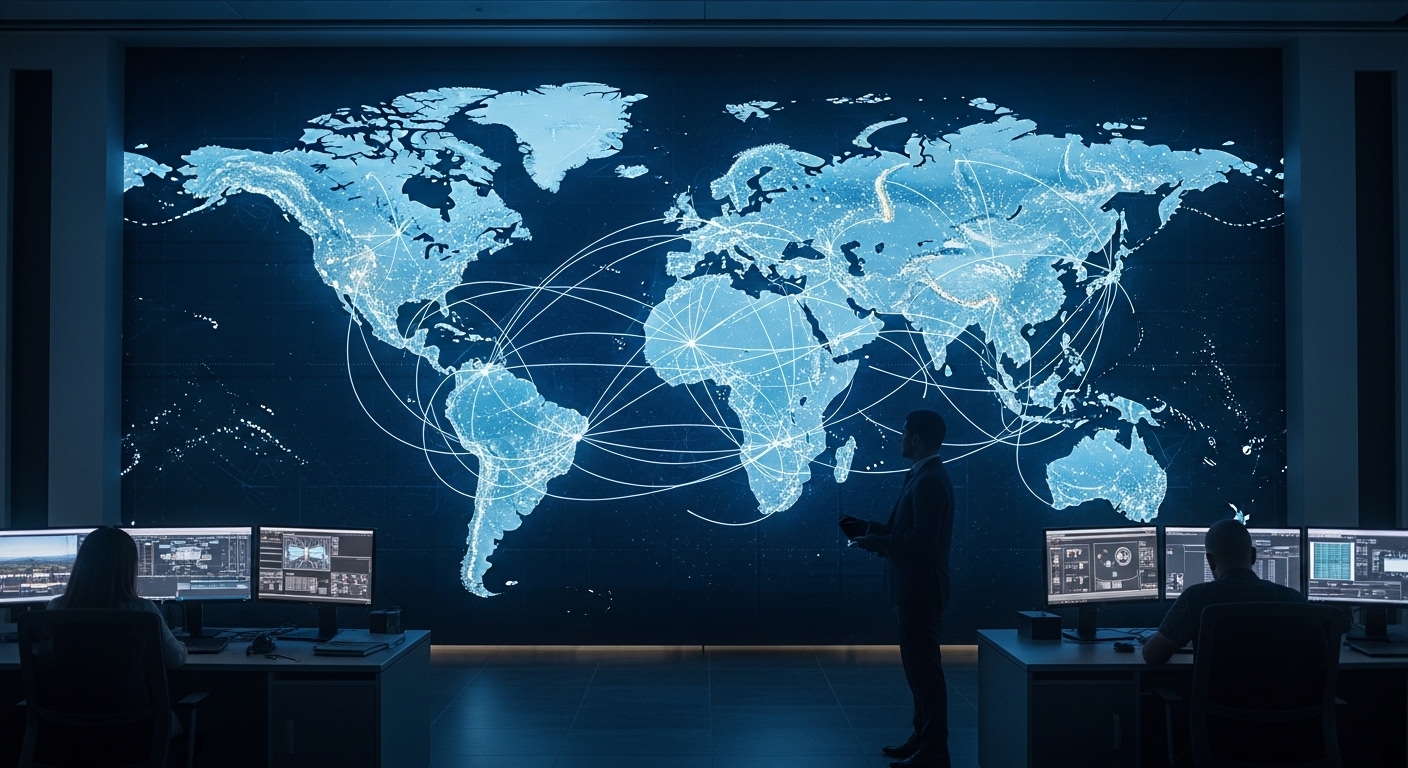
South Korea is positioning itself as a central data hub for Northeast Asia. Through collaborations between domestic telecommunications firms and international tech leaders, new routes are being established to link the peninsula with Southeast Asia and North America. This expansion solidifies the region’s role as a critical node in the global digital economy and cultural distribution network.
The Future of Media and Submarine Networks
“Submarine cables are the invisible nervous system of modern civilization, and the expansion of K-culture flows through these very nerves to reach the entire world.”
As we look toward the future, the integration of artificial intelligence and the metaverse will cause data traffic to grow exponentially. To meet this demand, submarine cable technology is evolving with multi-core fiber optics, which can transmit significantly more data at even higher speeds. This technological evolution will ensure that the next generation of digital media remains seamless.
In conclusion, the ability to enjoy a concert from the other side of the planet in real-time is a feat of engineering hidden beneath the waves. These cables have become more than just communication tools; they are the foundational pillars of cultural expansion. The future of global entertainment remains anchored in the depths of the ocean, bridging the gap between artists and fans regardless of distance.
작성자 소개