The Digital Cat-and-Mouse Game: Closing the Nvidia Loophole
The U.S. Department of Commerce has officially launched a comprehensive probe into a growing phenomenon where Chinese artificial intelligence companies utilize overseas cloud infrastructure to access high-end semiconductors. This investigation, spearheaded by the Bureau of Industry and Security (BIS), aims to map out both legal and illicit pathways used to circumvent existing export controls on advanced hardware like Nvidia’s GPU clusters.
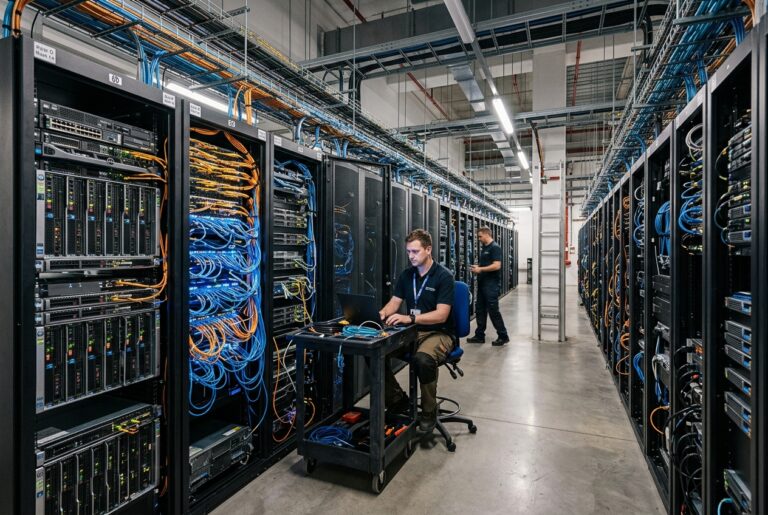
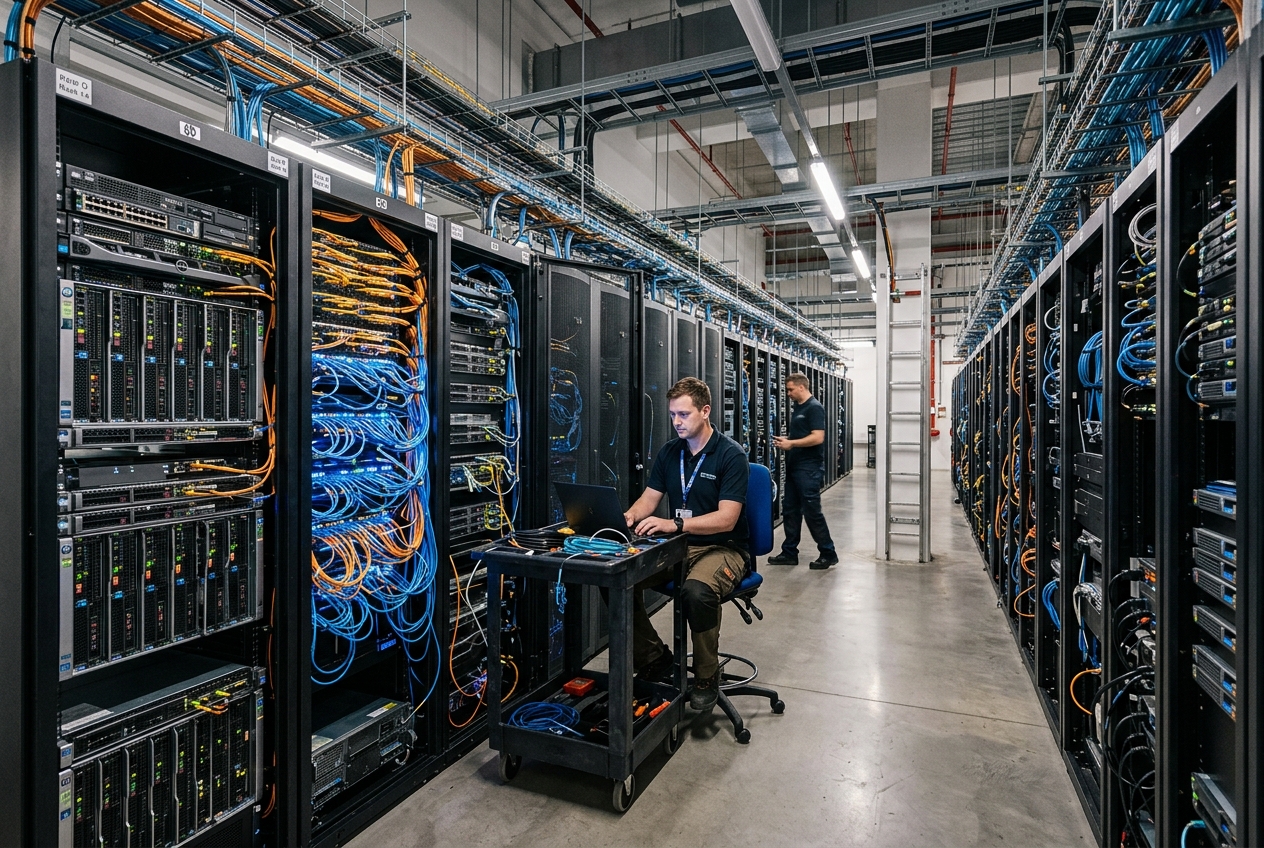
According to reports from Bloomberg, federal investigators are particularly focused on data centers located in Southeast Asia and other neutral third-party regions. These facilities often provide remote access to the very processing power that the U.S. government has sought to keep out of the hands of Chinese military-linked entities. By renting computing power through the cloud, firms can train massive AI models without physically possessing the restricted hardware.
Geopolitical Friction and the Rise of Third-Party Cloud Hubs
The strategic challenge for U.S. regulators lies in the borderless nature of the internet. While physical shipments of Nvidia H100 or A100 chips to mainland China are strictly prohibited, the service-based model of cloud computing creates a legal gray area. Industry experts refer to this as ‘cloud shadowing,’ where the physical location of the silicon is decoupled from the user’s geographic location.
“The current regulatory framework was designed for a world of physical goods, but we are now operating in a world of virtualized resources. Closing the cloud loophole is the next logical step in national security enforcement.”
The BIS enforcement division is currently reviewing the operational 실태 (actual conditions) of these remote configurations. The investigation is expected to determine whether new ‘Know Your Customer’ (KYC) requirements should be imposed on global cloud service providers. Such mandates would force companies to verify that their remote computing resources are not being utilized by entities on the U.S. Entity List.
Policy Implications and the Future of Tech Containment
As the U.S. tightens the noose around hardware access, the tech industry is bracing for a potential expansion of the Foreign Direct Product Rule. If the Commerce Department decides to regulate ‘compute-as-a-service,’ it could fundamentally alter how international data centers operate. The goal is to ensure that technological supremacy in AI remains a guarded asset, preventing the rapid scaling of rival military AI capabilities.
- Increased Surveillance: Enhanced monitoring of high-bandwidth traffic between China and overseas data hubs.
- Provider Accountability: Potential legal liabilities for cloud providers who knowingly or unknowingly service restricted firms.
- Global Coordination: Seeking cooperation from allies in Southeast Asia and the Middle East to align export policies.
In conclusion, the U.S. government’s move signals a shift from hardware containment to compute containment. As AI continues to be the primary engine of future economic and military power, the battle over who can access the world’s most powerful chips is moving from the shipping docks to the server racks. The outcome of this BIS investigation will likely dictate the next phase of the global AI arms race.
작성자 소개