The Invisible Wall: Why the US is Targeting Chinese ‘Nerves’ in AI Data Centers
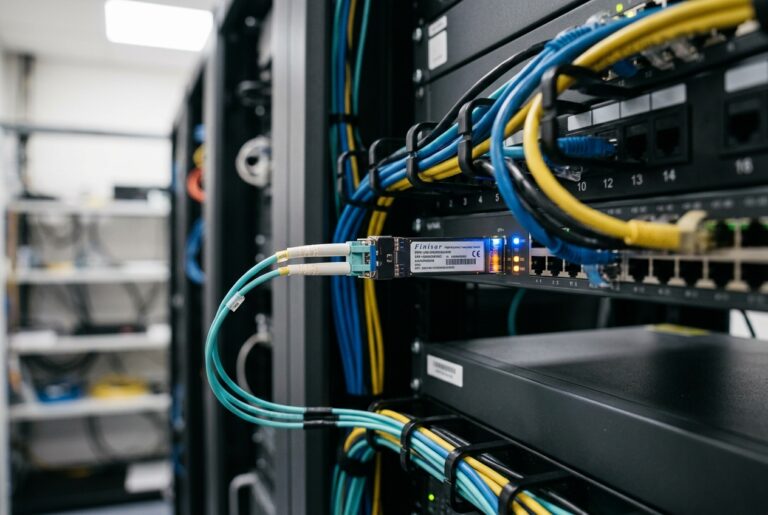
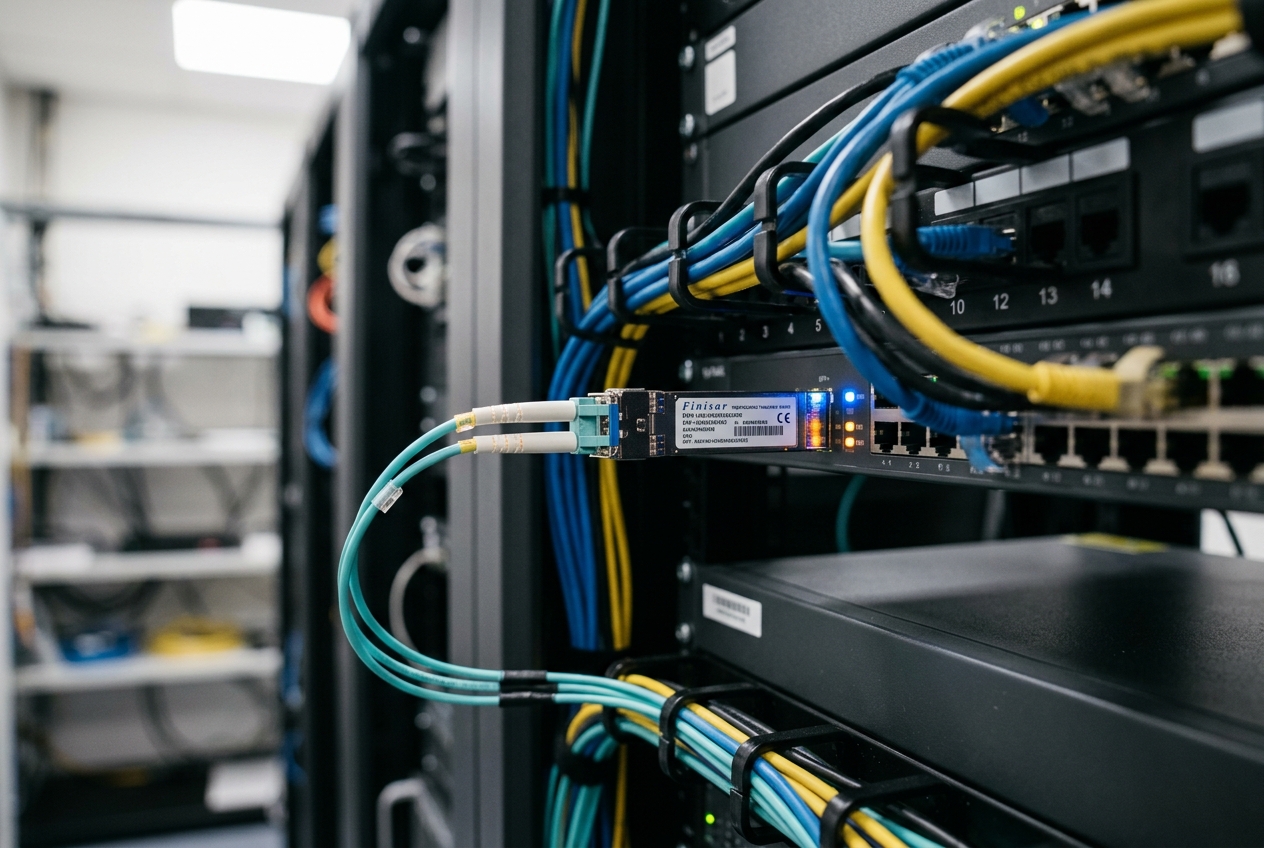
The Trump administration is reportedly preparing to escalate the technological standoff with China by targeting a critical, yet often overlooked, component of high-performance computing: the optical transceiver. These devices serve as the essential “nerves” of AI data centers, enabling the rapid transfer of data through fiber-optic cables.
According to recent reports, the Federal Communications Commission (FCC) is moving toward a ban on new models of Chinese-made optical transceivers. This move signifies a strategic shift from blocking large-scale equipment like 5G towers to securing the micro-components that power the modern artificial intelligence infrastructure.
Understanding the Role of Optical Transceivers
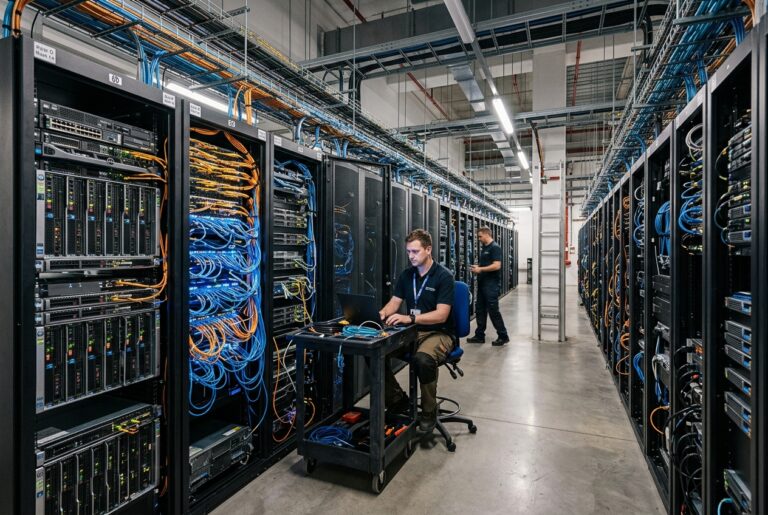
To understand the weight of this decision, one must look at how AI functions. Large language models require massive amounts of data to travel between thousands of GPUs at lightning speed. Optical transceivers are the hardware responsible for converting electrical signals into light pulses and back again, making high-speed data transmission possible.
Without these components, the latency and bandwidth required for cutting-edge AI development would be unattainable. By restricting Chinese access to this market, the U.S. government aims to ensure that the backbone of American AI remains free from foreign interference and potential security vulnerabilities.
A New Frontier in the Tech Cold War
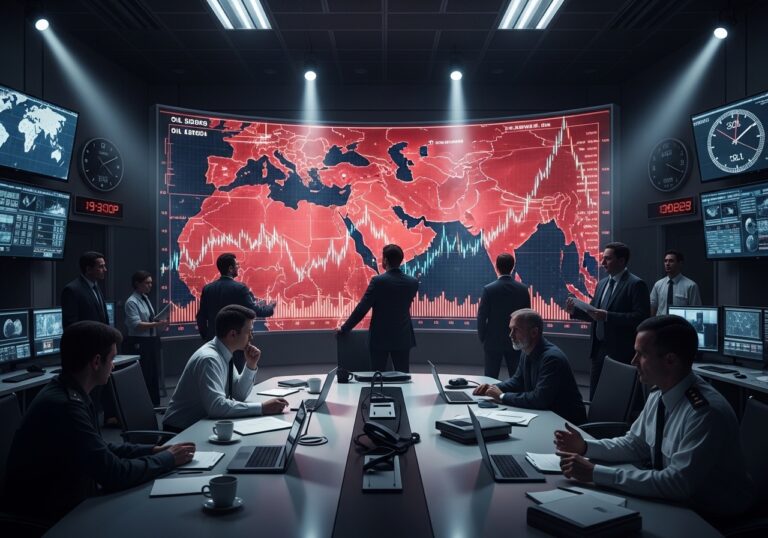
This proposed ban is not just about security; it is a significant move in the ongoing effort to “de-risk” the global supply chain. Currently, Chinese manufacturers hold a substantial share of the global market for these components. A sudden ban could force a massive reshuffling of procurement strategies for tech giants managing hyperscale data centers.
- Supply Chain Shifts: Companies may need to pivot toward suppliers in Southeast Asia, Mexico, or domestic U.S. manufacturers.
- Rising Costs: The transition away from cost-effective Chinese hardware could lead to increased capital expenditures for data center operators.
- Technological Sovereignty: The move reinforces the U.S. goal of maintaining a self-reliant AI ecosystem.
The Road Ahead
As the FCC nears a final decision before the end of the year, the industry is bracing for a period of adjustment. While the ban targets new models, the ripple effects will likely be felt throughout the entire semiconductor and networking sectors. The focus on such specific hardware suggests that the U.S. strategy is becoming increasingly granular, focusing on every link in the AI value chain.
작성자 소개